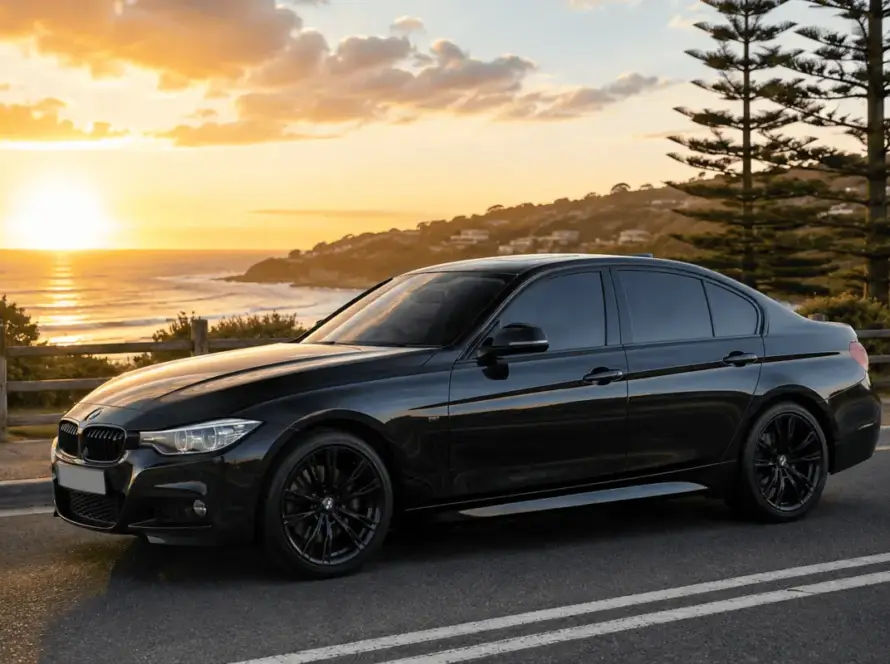
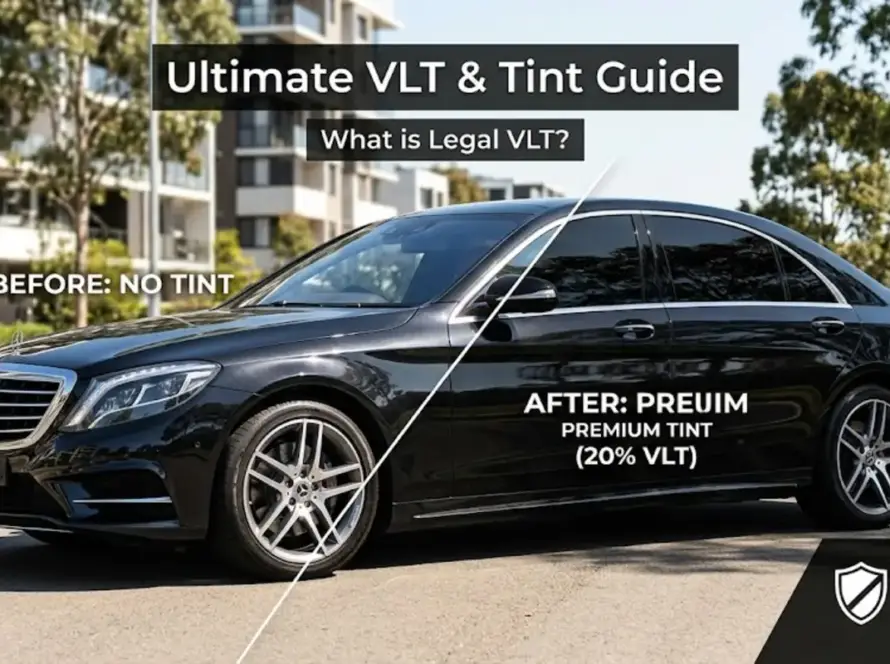
Window tinting improves privacy by reducing visibility into your vehicle while quality films can block UV rays, reduce glare, limit solar heat and make driving more comfortable.
Window tinting offers more than a stylish appearance.For Australian drivers, the right film can improve privacy, reduce UV exposure, minimise glare and create a more comfortable cabin. Seven Star Window provides professional automotive window tinting solutions designed around these needs.
How Window Tinting Improves Privacy
Privacy is one of the most noticeable benefits of automotive window film. Darker films can reduce visibility into the vehicle from outside, especially when the cabin is illuminated less than the area outside.
This can be useful when your vehicle is parked in public areas or when valuables are left inside. Reduced visibility does not guarantee security, but it can make the interior less exposed to passers-by.
Privacy Without Sacrificing Visibility
A common mistake is assuming that darker always means better. Very dark film can affect visibility, particularly at night or in low-light conditions.
A professionally selected film should balance privacy with clear outward visibility. The front windows deserve particular attention because excessive darkness can interfere with safe driving and may not comply with local requirements.
How Window Tinting Helps With UV Protection
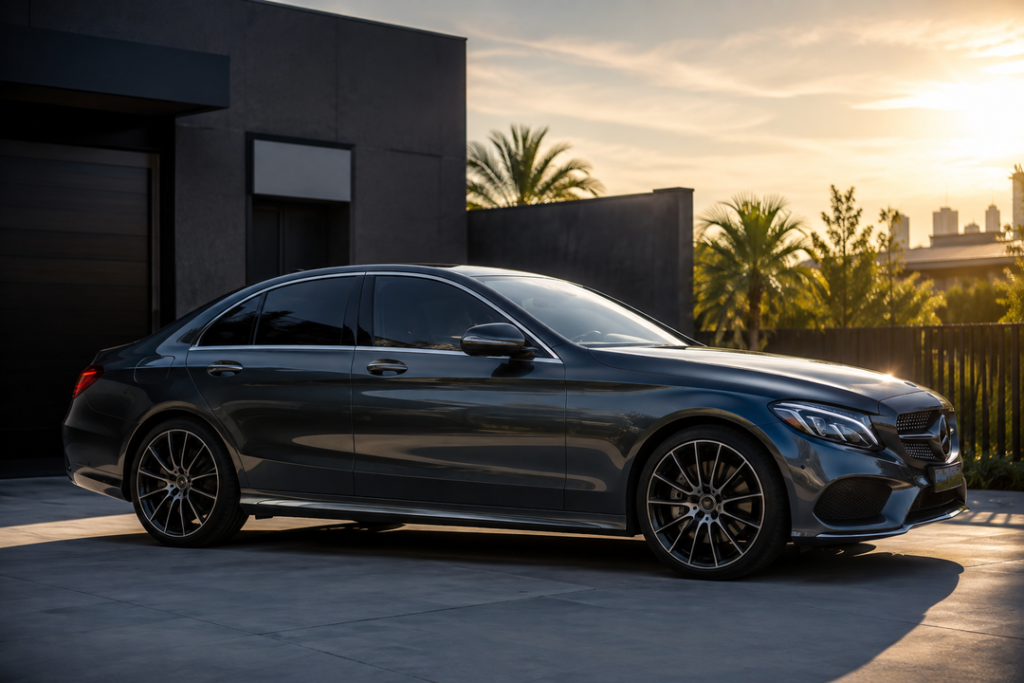
UV protection is a key benefit of window tinting, especially for Australian drivers exposed to strong sunlight. Quality automotive film can reduce UV transmission and help protect the vehicle’s interior. For drivers looking for professional installation, car window tinting services can provide a practical way to improve UV protection, privacy and cabin comfort.
It can help:
- Reduce UV exposure through treated windows
- Protect seats, dashboards and trim from sun damage
- Minimise interior fading and material deterioration
- Improve overall cabin comfort
Window Tinting Can Improve Cabin Comfort
Sunlight entering through the windows can make the cabin uncomfortable, particularly when a vehicle is parked outdoors for extended periods.
Depending on the film technology, window tinting can reduce solar energy entering the cabin. This may make the interior feel more comfortable and reduce the intensity of direct sunlight on passengers.
Tint can also reduce glare from bright sunlight. For drivers, less glare can make it easier to see the road, dashboard and mirrors during certain daytime conditions.
Privacy vs UV Protection: Are They the Same?
Privacy and UV protection are related benefits, but they are not the same thing.
A darker-looking film may provide privacy, while a high-quality clear or lightly tinted film can also offer strong UV protection. The appearance of the film alone does not tell you how effectively it performs.
| Feature | What It Helps With | What to Consider |
| Privacy | Reduces visibility into the cabin | Film specifications |
| Glare reduction | Reduces harsh reflected sunlight | Film type and glass position |
| UV protection | Helps reduce UV transmission | Film specifications |
| Heat rejection | Helps limit solar heat entering the cabin | Film technology |
| Appearance | Creates a darker or cleaner look | Colour, shade and finish |
The best choice depends on what you want from the film. If privacy is your priority, appearance and VLT may be especially important. If comfort is the main concern, heat and glare rejection deserve more attention.
Choosing the Right Window Tint in Australia
Australian drivers should consider more than colour or darkness when selecting automotive window film.
Check the VLT
Visible Light Transmission, or VLT, describes how much visible light passes through the glass and film. A lower VLT generally means a darker appearance.
Tinting laws vary between Australian states and territories, so the legal VLT requirements for your vehicle should be checked before installation.
Consider Film Quality
Different films can offer different levels of UV protection, glare reduction, heat rejection and optical clarity.
Ask the installer what the film is designed to achieve rather than choosing based solely on how dark it looks.
Think About Your Driving Habits
Someone who regularly drives long distances may value glare and heat reduction, while another driver may place greater importance on privacy and appearance.
Consider when and where you normally drive before selecting the film.
Common Window Tinting Mistakes

Choosing the Darkest Film
Choosing the darkest film isn’t always the best option. Understanding how different tint shades affect visibility, comfort and performance can help you make a better decision. Read our guide to choosing the right window tint for more information.
Ignoring Australian Tint Laws
Tint regulations differ across Australia. Installing a film without checking the applicable requirements can create compliance issues.
Focusing Only on Price
The cheapest option may not provide the combination of clarity, durability and performance you expect. Compare film characteristics and installation quality.
Using Poor-Quality Film
Low-quality film can have problems such as colour changes, bubbling or reduced optical clarity over time.
Cleaning the Film Incorrectly
Abrasive products or unsuitable cleaning tools can damage the film surface. Use products recommended for automotive window film.
Expert Tips for Better Window Tint Results
- Choose automotive-grade film designed for vehicle glass.
- Check the legal tint requirements for your Australian state or territory.
- Ask about UV protection and heat-rejection performance.
- Prioritise optical clarity, particularly for front windows.
- Use an experienced professional installer.
- Avoid choosing film solely because it looks darker.
- Follow the installer’s curing and cleaning instructions.
- Inspect the finished film for bubbles, lifting or visible defects.
Professional installation also matters because poor application can create visible imperfections and reduce the overall appearance of the vehicle.
Final Thoughts
Window tinting is a practical upgrade that can improve both comfort and privacy while helping reduce UV exposure inside your vehicle. The right film can protect interior surfaces, reduce glare and make bright Australian driving conditions more comfortable.
For the best results, focus on film quality, UV protection, visibility and legal VLT requirements rather than choosing a tint based only on its darkness. Professional installation can also help ensure a clean finish and reliable performance.
Whether your main goal is privacy, UV protection or everyday driving comfort, choosing the right window tint can make a noticeable difference to your vehicle and your driving experience
Frequently Asked Questions
Yes. Quality window film can significantly reduce UV transmission through vehicle glass, helping protect the interior from sun-related fading and deterioration.
No. A darker appearance does not automatically mean better UV protection. Film quality and its technical specifications are more important.
Yes. Darker window film can make it harder for people outside to see into your vehicle, providing greater privacy, especially during daylight.
Is window tinting legal in Australia?
Yes, but tinting laws vary between Australian states and territories. Always check the current VLT requirements before choosing and installing window film.