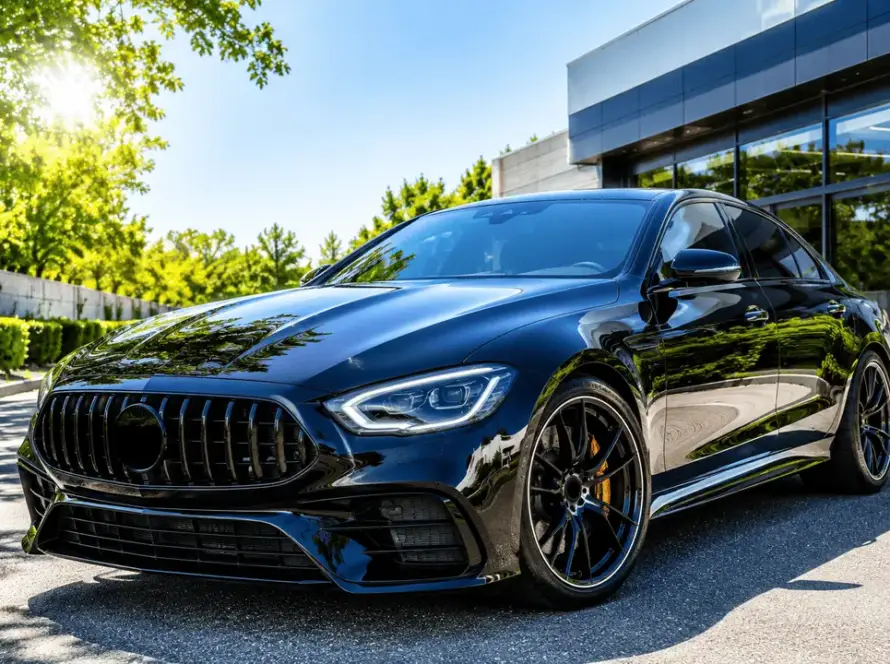
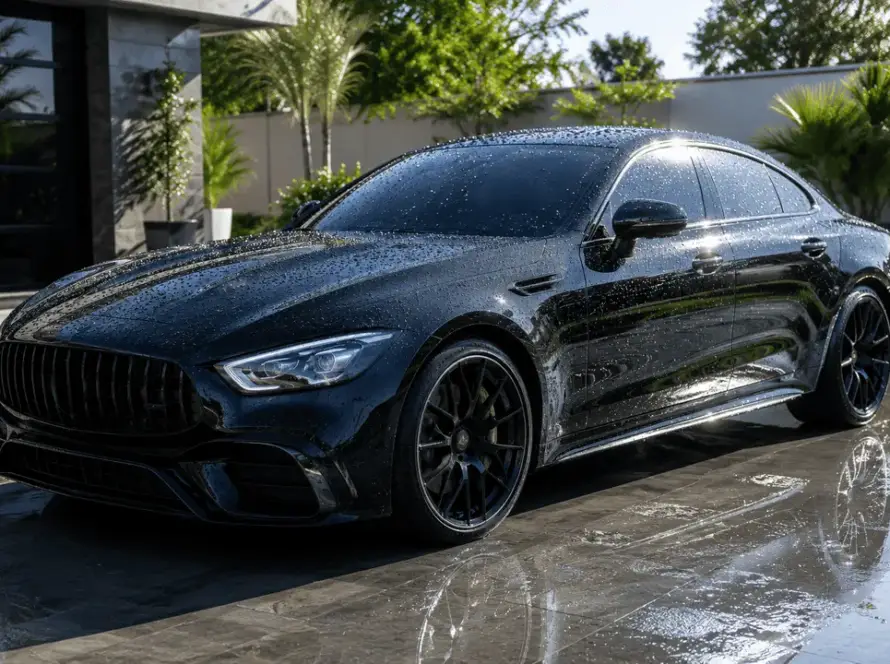
Graphene coating is generally the better choice for hot climates, daily drivers, and long-term durability, while ceramic coating is the better choice for drivers who want proven, budget-friendly protection. Both outperform wax and sealants by years, and the right pick depends on your climate, driving habits, and budget rather than one product being universally “best.”
Below, the certified detailing specialists at Seven Star Window explain exactly how graphene and ceramic coatings work, compare their real-world performance, and help you choose the right option for your vehicle using the same professional standards we follow when recommending paint protection packages to our customers.
Quick Comparison: Graphene vs Ceramic Coating
| If You Want… | Best Choice |
| Maximum durability | Graphene Coating |
| Better heat resistance | Graphene Coating |
| Best for hot Australian climates | Graphene Coating |
| Lower upfront cost | Ceramic Coating |
| Proven long-term technology | Ceramic Coating |
| Excellent gloss and shine | Both |
| Best value for daily drivers | Graphene Coating |
| Budget-friendly paint protection | Ceramic Coating |
What Is the Difference Between Graphene Coating and Ceramic Coating?
The core difference is composition: ceramic coating is built from silicon dioxide (SiO2), while graphene coating uses that same SiO2 base and adds graphene or graphene oxide to a single layer of carbon atoms arranged in a hexagonal lattice. That added carbon structure is what gives graphene coatings their edge in heat dissipation, thinness, and mechanical strength, while ceramic coatings rely purely on their polymer hardness for protection.
In practical terms, graphene coating is best understood as ceramic coating’s more advanced sibling, not a competing technology from a different category. Every graphene coating on the market today still depends on ceramic chemistry to bond with your paint.
What Is Ceramic Coating and How Does It Protect a Car?
Ceramic coating protects a car by chemically bonding a hard, glass-like SiO2 layer to the clear coat, creating a barrier against UV rays, chemical etching, and everyday dirt. Once cured, this layer sits on top of the factory paint and cannot be washed off only removed through compounding or paint correction.
This is the coating technology most detailing shops have used for over a decade, so its performance, aging characteristics, and maintenance needs are well documented. That track record is a major reason ceramic remains a trusted, go-to option for drivers who want reliable protection without paying for the newest technology.
Learn how ceramic car coating Is Applied: Step-by-Step Guide
What Is Graphene Coating and How Does It Protect a Car?
Graphene coating protects a car the same way ceramic does — by bonding a hard protective layer to the paint — but reinforces that layer with graphene molecules that improve heat dissipation, add mechanical strength, and extend hydrophobic performance. The graphene layer sits above the ceramic base, forming a top layer that resists scratches and swirl marks more effectively than ceramic alone.
Because it’s a newer formulation, graphene coating typically costs more and is offered by fewer shops, but early data and field performance suggest it holds up longer under UV exposure and thermal stress.
How Do Graphene and Ceramic Coatings Compare Side by Side?
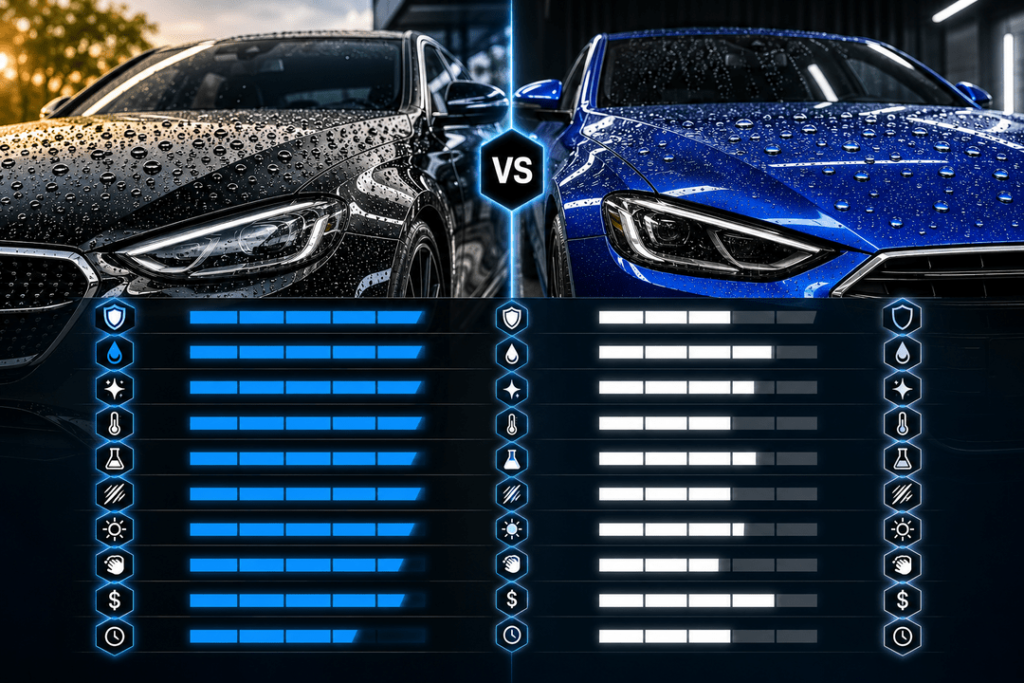
Ceramic coating generally lasts 2 to 5 years and costs less upfront, while graphene coating often lasts 5 or more years and performs better in heat and direct sun. The table below summarizes the practical differences that matter most when choosing between them.
| Factor | Ceramic Coating | Graphene Coating |
| Base material | Silicon dioxide (SiO2) | SiO2 base + graphene/graphene oxide |
| Typical durability | 2–5 years | 5+ years |
| Heat resistance | Good | Excellent |
| Hydrophobic performance | Strong, fades gradually | Stronger, longer-lasting |
| Scratch/swirl resistance | Good | Slightly better |
| UV and chemical resistance | Very good | Very good to excellent |
| Upfront cost | Lower | Higher |
| Shop availability | Widespread | Growing, less common |
| Best-suited climate | Cold to moderate | Hot, high-UV |
Graphene Coating Pros and Cons
Pros
- Longer expected lifespan
- Excellent heat dissipation
- Strong hydrophobic performance
- Better resistance to light wash-induced swirl marks
- Ideal for hot Australian climates
Cons
- Higher upfront cost
- Fewer professional installers
- Newer technology with fewer long-term studies than ceramic coatings
Ceramic Coating Pros and Cons
Pros
- Proven technology with years of real-world performance
- Lower installation cost
- Excellent UV and chemical resistance
- Widely available from professional detailers
- Easy to maintain with proper washing
Cons
- Slightly shorter lifespan than many graphene coatings
- Hydrophobic performance gradually decreases over time
- May require reapplication sooner in harsh climates
Is Ceramic Coating Still a Good Choice in 2026?
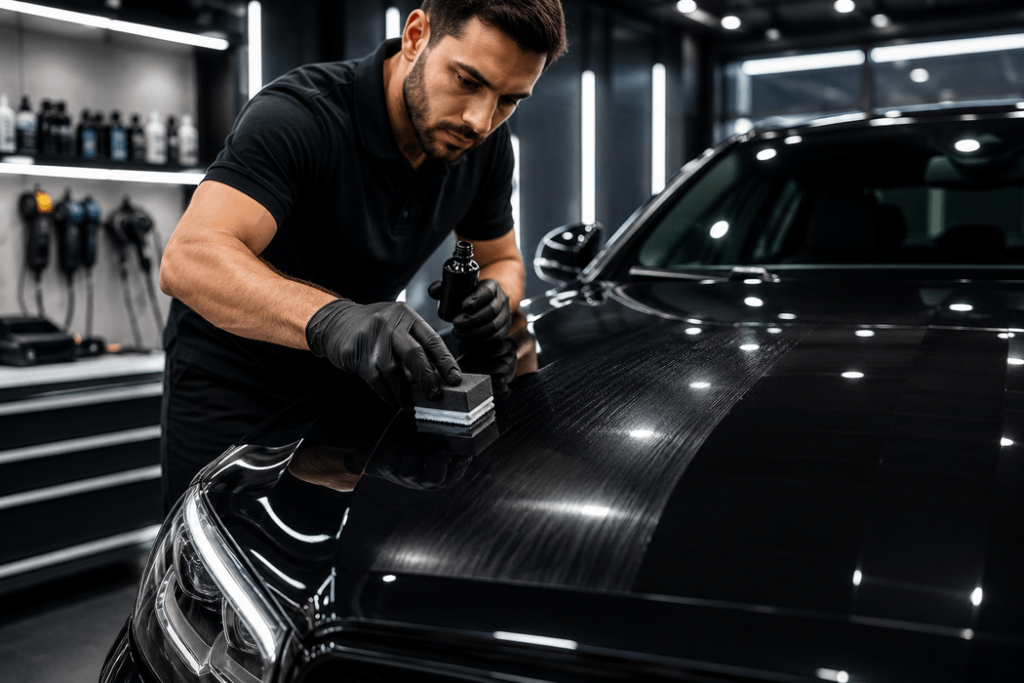
Yes, ceramic coating remains a strong, cost-effective choice, particularly for drivers in moderate climates who want dependable protection backed by a long market history. Its lower price point and wide availability also make it easier to find an experienced installer, which matters as much as the product itself.
Ceramic coating tends to make the most sense when:
- You want proven, well-documented performance over the newest technology.
- Your car spends most of its time in a cooler or moderate climate.
- You’re working with a tighter budget but still want multi-year protection.
- You plan to have the coating professionally applied by a shop with an established ceramic process.
When Is Graphene Coating Worth the Extra Cost?
Graphene coating is worth the extra cost when your car is regularly exposed to intense heat, direct sun, or heavy daily-driver wear, since its improved thermal performance and added scratch resistance translate into a longer, more resilient protective layer. Drivers who keep a car for many years, or who want to minimize how often they reapply protection, tend to see the strongest return on that investment.
Graphene coating tends to make the most sense when:
- You live in a hot, sunny, or high-UV climate.
- Your vehicle is a daily driver exposed to frequent washing and road debris.
- You want the longest realistic lifespan from a single application.
- You’re comfortable paying more upfront in exchange for reduced long-term maintenance.
Is Graphene Coating Worth the Extra Cost?
For many drivers, yes. Although graphene coating costs more initially, its longer service life and improved resistance to heat, UV exposure and everyday wear can provide better long-term value. Drivers who keep their vehicles for several years may spend less on reapplications over time.
| Coating | Typical Professional Price |
| Ceramic Coating | From $950+ |
| Graphene Coating | From $1,200+ |
Prices vary depending on vehicle size, paint condition and the level of paint correction required.
Can Graphene Coating Be Applied Over Existing Ceramic Coating?
No, in almost every case, an existing coating needs to be fully removed through compounding or paint correction before a new coating, ceramic or graphene, can properly bond to the paint. Applying a new coating over an old one without this step typically leads to poor adhesion and an uneven, shorter-lived finish, which is why a professional inspection before reapplication matters.
Do Ceramic and Graphene Coatings Still Require Maintenance?
Yes, neither coating is a permanent, maintenance-free solution, and both perform best with regular pH-neutral washes and periodic maintenance products. A coating extends the life and ease of paint care significantly, but it does not eliminate the need for basic upkeep, and skipping maintenance is one of the most common reasons either coating underperforms its expected lifespan.
Which Coating Is Better for a Daily Driver?
Graphene coating is generally the better fit for daily drivers because its added mechanical strength offers more resistance to the fine scratches, parking lot dings, and frequent washing that daily use brings. Ceramic coating can still perform well on a daily driver, but may show wear from everyday abrasion sooner than graphene.
Which Coating Performs Better in Sydney’s Climate?
Sydney experiences high UV levels, warm summers and frequent outdoor parking, all of which can accelerate paint oxidation. According to the Australian Radiation Protection and Nuclear Safety Agency (ARPANSA), Australia experiences some of the highest ultraviolet (UV) radiation levels in the world, making long-term paint protection especially important for vehicles regularly exposed to the sun.
Both ceramic and graphene coatings help protect against UV exposure, oxidation and environmental contaminants, but graphene coatings generally perform better at dissipating heat and maintaining hydrophobic performance over time.
Ceramic coating remains an excellent choice for drivers seeking reliable, long-lasting protection at a lower upfront investment.
Which Coating Should You Choose for Your Car?
The right choice comes down to three factors: your climate, how you use your car, and your budget. As a general rule:
- Hot climate, daily driver, long-term ownership: graphene coating offers the strongest long-term value.
- Moderate climate, budget-conscious, proven technology preferred: ceramic coating remains an excellent, reliable option.
- Not sure which applies to you: a professional assessment of your paint condition and driving habits is the most reliable way to decide, since the “better” coating is the one matched to your specific car and conditions rather than a fixed answer for everyone.
Which Coating Offers Better Long-Term Value?
If you plan to keep your vehicle for many years, graphene coating may provide better long-term value thanks to its extended durability and resistance to harsh environmental conditions. However, ceramic coating continues to offer outstanding protection at a lower purchase price, making it an excellent option for many vehicle owners. The best investment depends on how long you intend to keep your vehicle and how it is used.
Professional Insight
Our technicians inspect your vehicle’s paint condition, clear coat thickness and driving habits before recommending a coating. The product itself is only part of the equation—proper paint preparation, application technique and ongoing maintenance have the greatest impact on long-term performance.
Get a Professional Recommendation for Your Car
Choosing between graphene and ceramic coating depends on details specific to your vehicle paint condition, climate, and how the car is driven, that are best assessed in person. Our certified technicians inspect your paint and driving conditions before recommending a coating, so you’re paying for the protection that actually fits your car rather than a one-size-fits-all package.
Book a free consultation with our detailing team to find out which coating is right for your vehicle.
FAQ’s
Is graphene coating better than ceramic coating?
Graphene coating generally offers better heat resistance, durability and longer-lasting hydrophobic performance, while ceramic coating remains a proven, cost-effective solution for long-term paint protection.
Does graphene coating last longer?
In many cases, yes. Professional graphene coatings can last longer than traditional ceramic coatings when properly maintained.
Which coating is better for Australian weather?
Graphene coating is often preferred in hot Australian climates because of its improved heat dissipation and long-term performance under intense UV exposure.
Can graphene coating prevent scratches?
No coating is scratch-proof. Both ceramic and graphene coatings help reduce minor wash-induced swirl marks and make the paint easier to clean, but they do not prevent deep scratches or stone chips.
Can you apply graphene coating over ceramic coating?
Generally, no. Existing coatings should usually be removed through paint correction before applying a new ceramic or graphene coating to ensure proper bonding.
How do I maintain a coated vehicle?
Wash the vehicle regularly using a pH-neutral shampoo, avoid automatic brush washes and follow the maintenance recommendations provided by your installer.