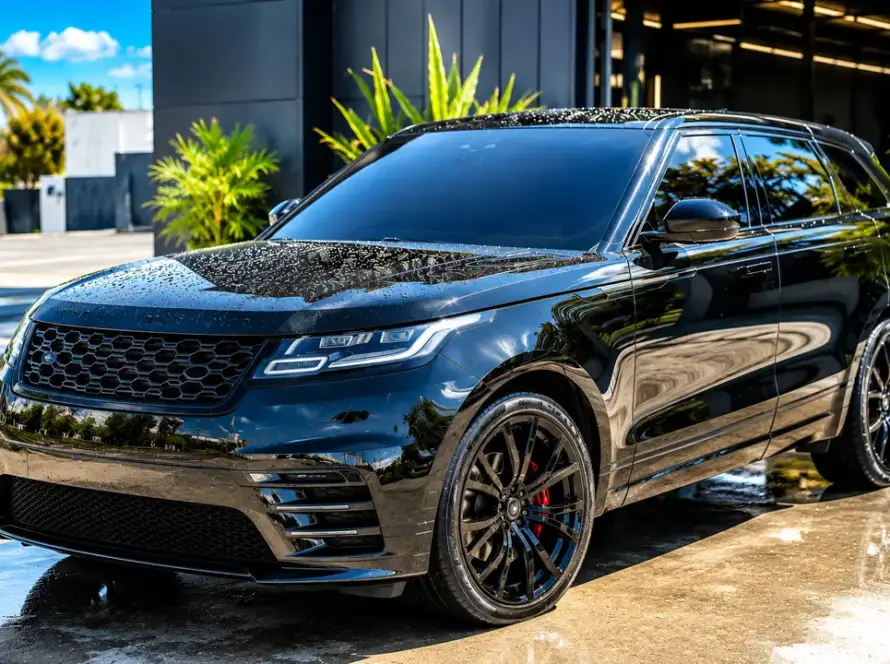
Every car enthusiast loves the deep, glassy gloss of a freshly ceramic-coated vehicle. It can help protect the paint from UV exposure, bird droppings, and the harsh Australian climate. However, applying a coating isn’t as simple as wiping it on and walking away.
Making simple ceramic coating mistakes can lock in existing paint defects or create uneven high spots that are difficult to remove. Whether you’re DIYing in your garage or considering professional detailing from a trusted provider such as Seven Star Window, understanding these common pitfalls can help protect your car’s finish and avoid unnecessary correction work.
Why Ceramic Coating Goes Wrong: Prep Work Errors
The strength of any paint protection product depends entirely on what lies underneath. Skipping prep steps is the fastest way to ruin a high-end liquid nano coating.
1. Skipping the Decontamination Phase
Washing your car with standard soapy water isn’t enough. Road tar, industrial fallout, and iron particles stay embedded in the clear coat. Applying a ceramic layer over dirty paint seals those contaminants underneath forever. Always use an iron remover spray followed by a thorough clay bar treatment before moving forward.
2. Bypassing Paint Correction
Ceramic coatings do not hide scratches or swirl marks; they can make existing imperfections more noticeable. Because the coating creates a clear protective layer over the paint, existing water spots, scratches, or light hazing should be addressed before application. For more information, see our guide to ceramic coating problems and how to avoid common application mistakes.
3. Forgetting the Isopropyl Alcohol (IPA) Wipe
Polishing compounds leave behind oily residues. If you apply a coating over these oils, the formula cannot bond chemically to the clear coat. Use an IPA panel wipe to remove all polish oils so the coating adheres directly to pure paint.
Application Blunders That Ruin Your Finish

Once the surface is completely clean, application technique becomes critical.
High Spots and Uneven Wiping
A high spot happens when the coating is applied too heavily or isn’t leveled off quickly enough with a microfiber towel. Once it cures, a high spot looks like a dark, rainbow-like streak. Fixing cured high spots usually requires wet sanding or heavy compound polishing.
Working in Direct Sunlight or High Humidity
Australian summer heat is notorious for curing coatings too fast. Applying liquid glass under direct sunlight causes it to flash almost instantly, leaving sticky residues that won’t wipe smooth. Always work indoors, under shade, or in a temperature-controlled environment.
Using Low-Quality or Dirty Microfiber Towels
Using old, plush, or dirty towels during the wiping process can instantly ruin a fresh application. Cheap or worn microfibers tend to shed lint onto the wet coating or drag across the panel, creating micro-scratches on the delicate layer. Always use fresh, high-GSM edgeless microfiber towels designed specifically for ceramic coatings, and discard or separate them after use—once the coating cures on the towel’s fibers, it turns hard and abrasive like glass.
Ceramic Coating Mistakes vs Proper Application Techniques
| Application Step | Common Mistake | Proper Technique |
| Surface Cleaning | Regular wash only | Decontamination wash, iron remover, and clay bar |
| Surface Prep | Coating over polish residue | Dedicated IPA panel wipe-down |
| Environment | Outside under direct sun | Indoors or shaded area, 15°C–25°C |
| Buffing Off | Waiting too long to wipe | Flash-test & buff with dual high-GSM towels |
| Curing Time | Exposing to rain immediately | Keep dry for 24 hours; avoid soap for 7 days |
Complete Vehicle Protection: Coating and Window Tinting

While ceramic paint protection guards your exterior panels against harsh UV exposure, heat still penetrates through your glass. If you’re considering professional protection, Seven Star Window’s ceramic coating service can help provide a professionally prepared and coated finish suited to Australian driving conditions. Integrating high-grade ceramic window tinting with your exterior coating creates a total protective shield.
Quality ceramic window tint blocks heat transfer and UV rays, protecting your leather seats and dashboard from fading. Pairing glass tinting with paint protection keeps the entire vehicle looking brand new, inside and out.
Expert Tips for a Flawless Finish
- Use the Two-Towel System: Always use one microfiber cloth to wipe away the bulk of the product and a second fresh cloth to buff the surface to a high shine.
- Inspect with Portable LED Lights: Use a bright, dedicated detailing light at low angles to spot high spots before they cure hard.
- Respect the Initial Cure Window: Keep the car completely dry for at least 24 hours after application. Do not wash the vehicle with detergents for 7 to 10 days.
Avoiding these common ceramic coating mistakes ensures your vehicle achieves long-lasting gloss, chemical resistance, and maximum resale value. Proper surface prep, precise buffing techniques, and combining paint protection with ceramic window tinting will keep your vehicle looking factory-fresh for years to come.
Final Thoughts
Ceramic coating can deliver impressive gloss, durability, and protection, but the final result depends heavily on proper preparation and application. Avoiding common ceramic coating mistakes such as skipping decontamination, applying the coating over polish residue, working in direct sunlight, or failing to level the product can prevent uneven results and unwanted defects.
Take time to thoroughly clean and correct the paint before applying the coating. Work in a suitable environment, follow the manufacturer’s instructions, and carefully inspect each panel during application. Allowing enough curing time is also essential for proper bonding and long-term performance.
For the best results, professional ceramic coating installation can help ensure the product is applied evenly and correctly. You can also combine ceramic paint protection with quality ceramic window tinting for broader protection against UV exposure, heat, and everyday environmental damage.
Frequently Asked Question
The most common mistakes include skipping paint decontamination, applying the coating over polishing oils, failing to correct paint defects, working in direct sunlight, and not leveling the coating properly.
No. Ceramic coating does not hide scratches, swirl marks, or water spots. Proper paint correction should be completed before application to achieve a smooth, glossy finish.
A freshly coated vehicle should generally remain completely dry for at least 24 hours. Avoid washing it with detergents for around 7 to 10 days while the coating continues to cure.
Yes. Ceramic window tinting can complement ceramic paint protection by helping reduce heat and UV exposure through the vehicle’s glass, while the ceramic coating protects the exterior paint.