Ceramic, carbon, and dyed window tints differ in materials, heat rejection, durability, and price. Ceramic tint offers the highest performance, carbon tint balances quality and cost, and dyed tint suits tight budgets — each serving a different driver need.
Choosing the right window tint is one of the best upgrades you can make for your vehicle, and Seven Star Window makes it easy to get it right. This guide breaks down all three tint types so you can walk in informed and drive away confident!
What Is a Dyed Window Tint?
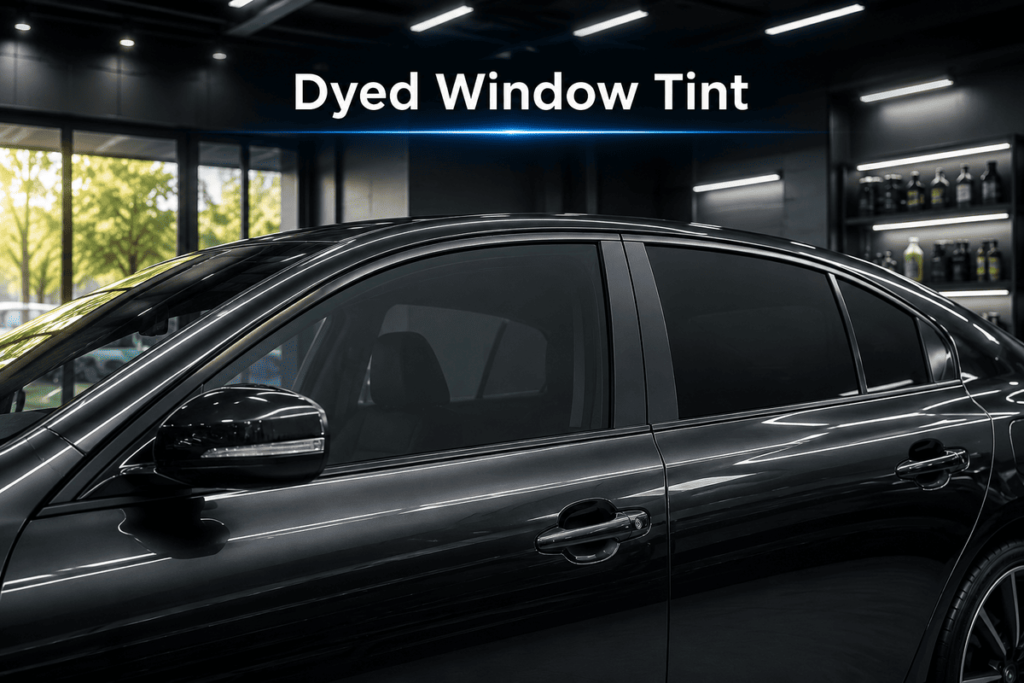
Dyed window tint is the most affordable tint option, using a layer of dye to absorb heat and reduce glare — but it offers the least heat rejection and fades over time.
Dyed tint works by absorbing solar energy before it enters the cabin. It’s a popular entry-level choice for drivers who want privacy and reduced glare without a large upfront investment.
Pros:
- Lowest upfront cost
- Good privacy and glare reduction
- Non-reflective, matte appearance
Cons:
- Limited heat rejection compared to carbon or ceramic
- Prone to fading and discolouration over time
- Shortest lifespan of the three types
Price range: Depending on vehicle size tint price.
What Is Carbon Window Tint?

Carbon window tint uses carbon particles not dyed, to block heat and UV rays. It outperforms dyed tint in heat rejection and durability, without the premium price tag of ceramic.
Carbon tint doesn’t rely on dye, so it resists fading far better than entry-level options. It also blocks infrared radiation, which is a significant driver of cabin heat on hot Australian days.
Pros:
- Better heat rejection than dyed tint
- Resistant to fading and discolouration
- Attractive matte-black finish
- No signal interference with electronics
Cons:
- Not quite as effective as ceramic for heat rejection
- Mid-range cost — not as budget-friendly as dyed
Price range: Approx. $300–$550 AUD for a full car.
What Is Ceramic Window Tint?
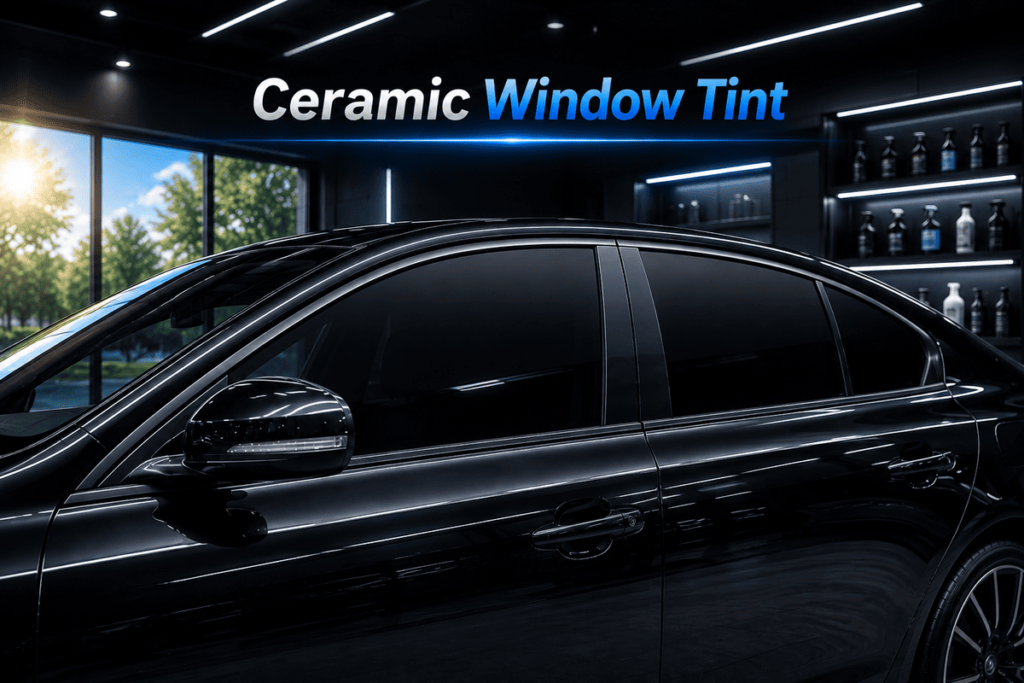
Ceramic window tint is the highest-performing option available, using nano-ceramic particles to reject up to 99% of UV rays and significantly more infrared heat than carbon or dyed alternatives — making it the top choice for Australian conditions.
Ceramic tint contains no metal or dye. Instead, it uses advanced nano-ceramic technology to block heat while maintaining optical clarity. It won’t interfere with GPS, mobile signals, or electronic sensors — a real advantage for modern vehicles.
Pros:
- Up to 99% UV rejection
- Superior infrared heat rejection (often 50–70% compared to 40–45% for carbon)
- Crystal-clear visibility with minimal distortion
- Long-lasting — resists fading for the life of the vehicle
- No signal interference
Cons:
- Higher upfront cost than carbon or dyed
- Premium quality comes at a premium price
Price range: Approx. $500–$900+ AUD for a full car, depending on brand and vehicle.
Side-by-Side Comparison: Ceramic vs Carbon vs Dyed Tint
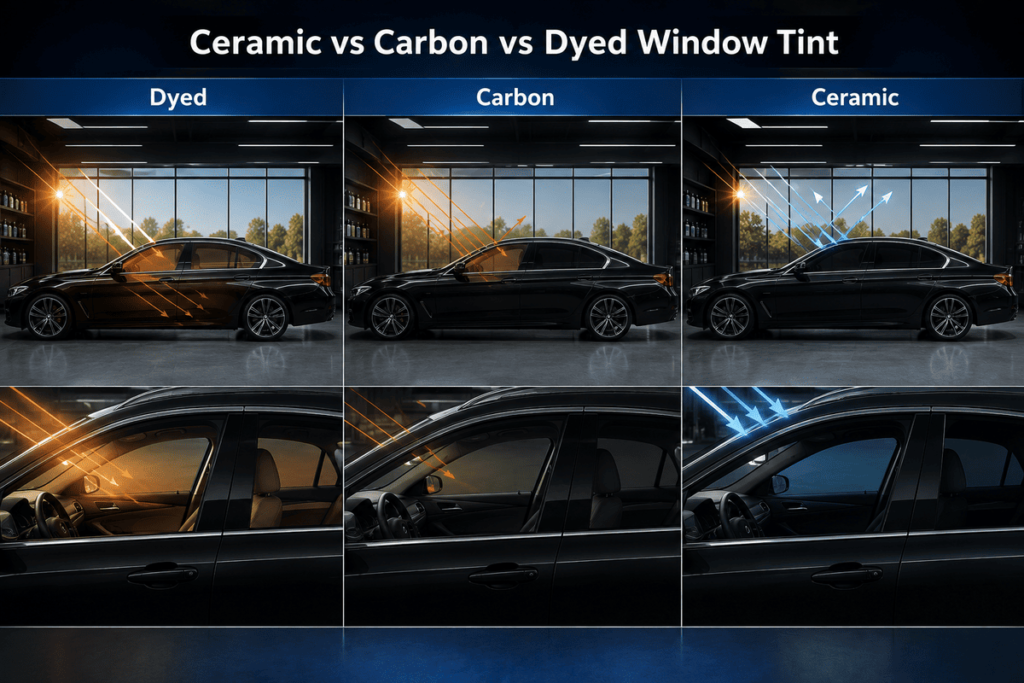
| Feature | Dyed Tint | Carbon Tint | Ceramic Tint |
| Heat Rejection | Low (20–35%) | Moderate (40–45%) | High (50–70%) |
| UV Rejection | Moderate | High | Up to 99% |
| Lifespan | 3–5 years | 5–10 years | 10+ years |
| Fade Resistance | Poor | Good | Excellent |
| Signal Interference | None | None | None |
| Appearance | Matte black | Matte black | Clear to matte |
| Price (Full Car) | $150–$300 | $300–$550 | $500–$900+ |
Which Tint Type Lasts Longest?
Ceramic tint lasts the longest — typically 10 years or more. Carbon tint offers a solid 5–10 years, while dyed tint generally fades within 3–5 years.
Longevity is largely determined by the materials used. Dye degrades under prolonged UV exposure, while carbon particles and ceramic nano-technology are far more stable. If you’re planning to keep your vehicle long-term, investing in ceramic or carbon tint pays off over time.
Which Tint Type Is Best for Sydney Heat?
Ceramic tint is the best choice for Sydney’s climate. Its superior infrared heat rejection keeps cabins significantly cooler on hot summer days, reducing reliance on air conditioning and improving fuel efficiency.
Sydney summers regularly push past 35°C, and solar heat gain through unprotected glass can make a parked car feel unbearable. Ceramic tint’s ability to reject 50–70% of infrared radiation makes a noticeable difference inside the cabin. Carbon tint is a strong runner-up for budget-conscious drivers who still want real heat protection.
Our Recommendation Based on Budget
Entry Budget — Dyed Tint (~$150–$300)
Best suited for drivers who want basic privacy and glare reduction and aren’t concerned about long-term heat performance. Ideal if you plan to resell or upgrade your vehicle in the next few years.
Mid-Range Budget — Carbon Tint (~$300–$550)
Carbon tint works best for everyday drivers who want noticeably better heat rejection and a longer-lasting finish without committing to the premium tier. It’s the sweet spot for most Australian drivers.
Premium Budget — Ceramic Tint (~$500–$900+)
Ceramic tint is better suited for those who want the best available heat protection, UV blocking, and longevity — especially in hot climates like Sydney. It’s the ultimate choice if you’re keeping your car long-term and want real, measurable comfort every day! Browse our window tinting packages to compare options and pricing.
Conclusion
The right tint depends on your budget, your climate, and how long you plan to keep your vehicle. Dyed tint is a practical entry point; carbon tint hits the sweet spot of performance and value; and ceramic tint delivers unbeatable heat rejection and longevity — the clear winner for Sydney summers!
At Seven Star Window, their expert team can walk you through every option and help you find the perfect fit for your car and lifestyle. Don’t let another summer drive by in an overheated cabin!
Frequently Asked Questions
Is ceramic window tint worth the extra cost?
For most Australian drivers, yes — especially in hot climates like Sydney. Ceramic tint rejects significantly more heat than carbon or dyed tint, lasts longer, and pays for itself over time through reduced air conditioning use and no need for early replacement. If you’re keeping your car for more than five years, it’s the smartest long-term investment.
Does carbon tint fade over time?
Carbon tint is highly fade-resistant compared to dyed tint. Because it uses carbon particles rather than dye, it maintains its colour and performance for 5–10 years under normal conditions. It won’t develop the purple tint that ageing dyed tint is known for.
Will window tint affect my GPS or phone signal?
No — dyed, carbon, and ceramic tints are all signal-safe. Metalised tints (a separate category) can interfere with electronics, but none of the three types covered in this guide contain metal.
How long does window tint installation take?
A full car tint typically takes 2–4 hours depending on the number of windows and the tint type selected. At Seven Star Window, most jobs are completed same-day.
Can I get window tinting done on any car?
Yes. Window tinting can be applied to most vehicles, including sedans, SUVs, utes, and vans. Seven Star Window works with all vehicle types and can advise on the best film for your make and model.