PPF is a physical film that stops rock chips and scratches. Ceramic coating is a chemical layer that stops UV fading, staining, and water spotting. Most Sydney cars benefit from both being used on different parts of the car.
What Is a Paint Protection Film?

PPF is a thick, transparent urethane film applied directly to your car’s paint to physically absorb impacts. It’s the only one of the two options that stops rock chips, so it’s built for high-impact zones like the bonnet, bumper, and mirrors.
Unlike a coating, PPF adds real thickness to the surface. Premium films are also self-healing light scratches and swirls disappear with heat from the sun or a heat gun, so the film keeps looking new for years (Avery Dennison).
PPF is available in gloss, matte, and satin finishes, so it can also change the look of the car, not just protect it.
What Is Ceramic Coating?

Ceramic coating is a liquid nano-polymer that chemically bonds to your clear coat and cures into a hard, glass-like layer. It doesn’t stop rock chips, but it protects against UV rays, oxidation, chemical staining, and makes the car far easier to wash.
Because it’s thinner than a human hair, no ceramic coating can be marketed as “scratch-proof” — a stone at highway speed will go straight through it. What it does extremely well is stop bird droppings, tree sap, and road grime from bonding and etching into the paint, while adding deep, long-lasting gloss (Gtechniq).
A quality Professional ceramic coating is the reason a well-protected car still beads water and looks glossy years after leaving the showroom.
Where Does Graphene Coating Fit In?
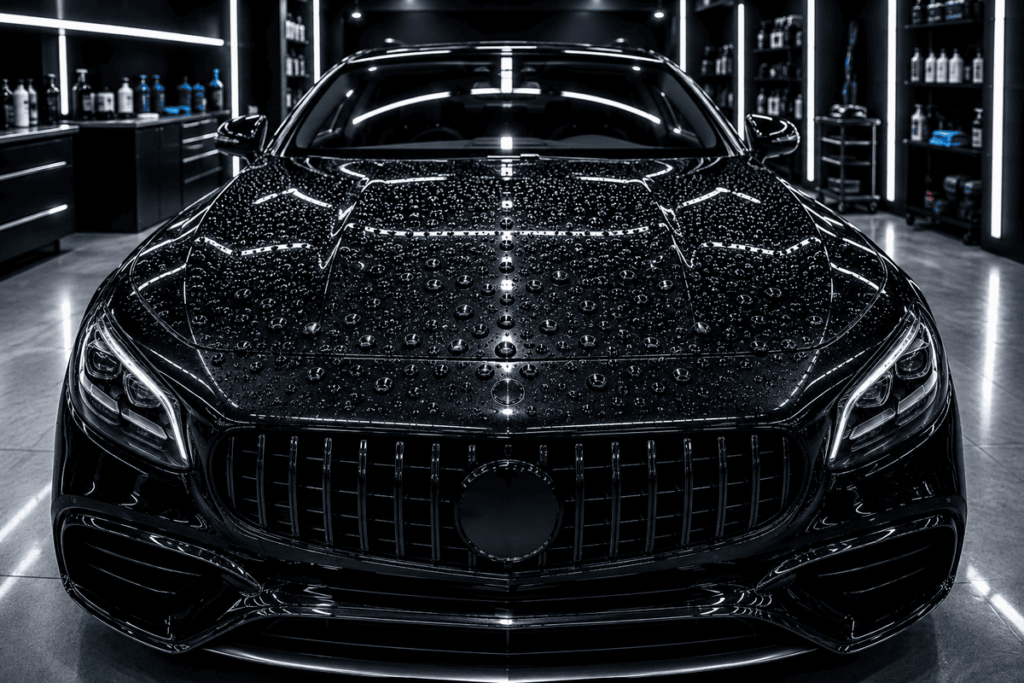
Graphene coating is a newer, upgraded version of ceramic coating with better heat resistance and stronger hydrophobic performance. It protects against the same threats as ceramic — UV, oxidation, staining — but typically lasts longer and resists high Sydney summer temperatures better.
If you want the gloss and easy-clean benefits of ceramic with an extra layer of heat and durability performance, graphene coating is worth comparing against standard ceramic before you book.
PPF vs Ceramic vs Graphene: Quick Comparison

| Factor | PPF | Ceramic Coating | Graphene Coating |
| Rock chip / impact protection | Yes | No | No |
| UV & fading protection | Partial | Yes | Yes |
| Gloss enhancement | Moderate | High | Very high |
| Typical lifespan | 5–10 years | 2–5 years | 4–7 years |
| Typical Sydney cost | $1,500–$6,000 | $800–$2,000 | $1,000–$2,500 |
| Heat resistance | Good | Moderate | Excellent |
| Best for | Rock chips, road debris | Gloss, easy cleaning, UV | Long-lasting gloss + heat resistance |
Which One Handles Sydney and Hills District Driving Conditions Best?
PPF handles physical road hazards; ceramic and graphene coatings handle sun, grime, and everyday wear. Most Sydney drivers face both problems, which is why panel-specific PPF plus full-body coating is the most common local setup.
Hills District & Rouse Hill roads:
New-estate roadworks, loose gravel edges, and ongoing construction around growth corridors make front-end PPF a smart addition for daily commuters.
Highway driving (M2, M7, M4):
Higher speeds mean more stone-chip impact on the bonnet, bumper, and mirrors — the areas PPF is designed for.
Sun and UV exposure:
Sydney’s UV index is high most of the year, which breaks down unprotected clear coats over time. This is where ceramic and graphene coatings do the heavy lifting.
How Much Do PPF and Ceramic Coating Cost in Sydney?
PPF typically costs $1,500–$6,000 depending on coverage, and ceramic coating typically costs $800–$2,000, with price driven by vehicle size, film or coating tier, and how much of the car is covered.
Partial front-end PPF (bonnet, bumper, mirrors) sits at the lower end of that range. Full-body PPF or premium film brands push costs toward $6,000. Ceramic and graphene pricing scales with the number of coating layers and vehicle size rather than panel selection, since it’s usually applied across the whole car. Ask for a free quote with your vehicle details for an accurate number, or check current pricing.
How Long Do PPF and Ceramic Coating Actually Last?
PPF generally lasts 5–10 years with proper care, while ceramic coating typically lasts 2–5 years and graphene coating 4–7 years, depending on maintenance and product quality.
PPF degrades slowly through yellowing or edge lifting over many years. Ceramic and graphene coatings degrade through gradual loss of hydrophobic performance, meaning water stops beading as tightly — a sign it’s time to check for reapplication.
Can You Combine PPF and Ceramic Coating?
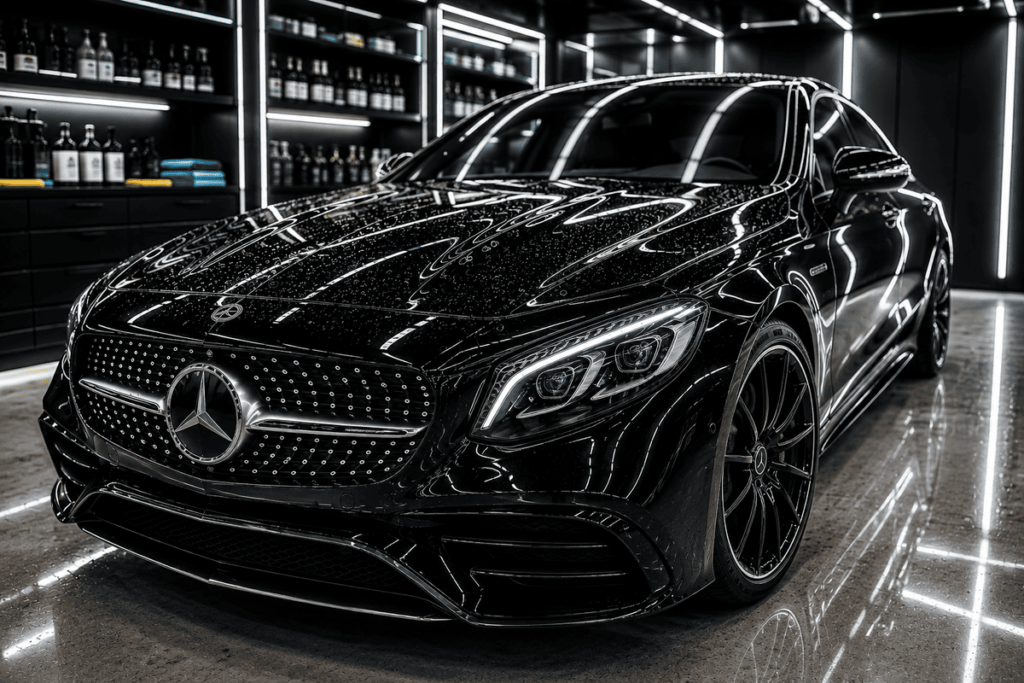
Yes. The most effective setup is PPF on high-impact panels with a ceramic or graphene coating applied over the entire car, giving you both impact protection and everyday chemical/UV protection.
A typical combo layout looks like this:
- PPF: bonnet, front bumper, side mirrors, door edges, headlights
- Ceramic or graphene coating: full body, including the PPF itself and all remaining painted panels
Coating over PPF is safe and common — it adds gloss and easier cleaning on top of the film’s impact protection, and both products are designed to work together rather than against each other.
What Maintenance Does Each Option Need?
PPF can be washed like normal paint and needs no special products, while ceramic and graphene coatings last longer with pH-neutral shampoo and regular maintenance washes to protect the hydrophobic layer.
Avoid automated brush car washes on both, as they can introduce swirl marks and, over time, lift film edges. Hand washing or touchless washes protect your investment either way.
Is Ceramic Coating or PPF Worth It on a New Car?
Both are worth it on a new car, but timing differs PPF can be applied immediately after delivery, while ceramic coating should wait until the factory paint has fully cured, usually one to three weeks.
Many Sydney owners apply PPF to high-impact panels straight away, then add ceramic or graphene coating a few weeks later once the paint has settled. This order gives new cars the strongest possible protection from day one.
Does PPF or Ceramic Coating Help Resale Value?
Both help resale value by keeping the factory paint free of chips, fading, and staining, and a documented protection history is a strong selling point when a buyer or dealer inspects the car.
Cars with well-maintained, chip-free paint typically present better at trade-in and avoid costly resprays, which can run into the thousands after years of unprotected wear.
Which One Does Your Car Actually Need?
- Choose PPF if: you drive highways often, live near gravel or construction zones, or want to protect a new car’s resale value from day one.
- Choose ceramic or graphene coating if: your main concerns are sun fading, water spots, staining, and easy washing.
- Choose both if: you want complete protection PPF on the front-end impact zones, coating over the full body.
Get the Right Protection for Your Car
Whether your car needs PPF-level impact protection, the everyday gloss and UV protection of ceramic coating, or the extra durability of graphene coating, the Seven Star Window team can help you choose the right setup for how you actually drive. Get a free quote and we’ll recommend the best protection for your vehicle and budget.
Frequently Asked Questions
No. Ceramic coating is thinner than a human hair and offers no impact protection. Only PPF physically absorbs rock chips and road debris.
Quality PPF typically lasts 5–10 years in Australian conditions with proper care, though intense UV exposure can affect cheaper films faster than premium brands.
Yes. Applying ceramic or graphene coating over PPF is a common combination that adds gloss and easier maintenance on top of the film’s physical protection.
Yes, once the factory paint has healed (usually one to three weeks after delivery). It protects the original finish from day one and reduces future maintenance.
Both help. PPF prevents physical damage that’s costly to repair, while ceramic coating keeps the paint glossy and free of fading — together they give the strongest resale presentation.
PPF ranges from $1,500–$6,000 depending on coverage, while ceramic coating ranges from $800–$2,000 — full pricing depends on your vehicle and chosen package.