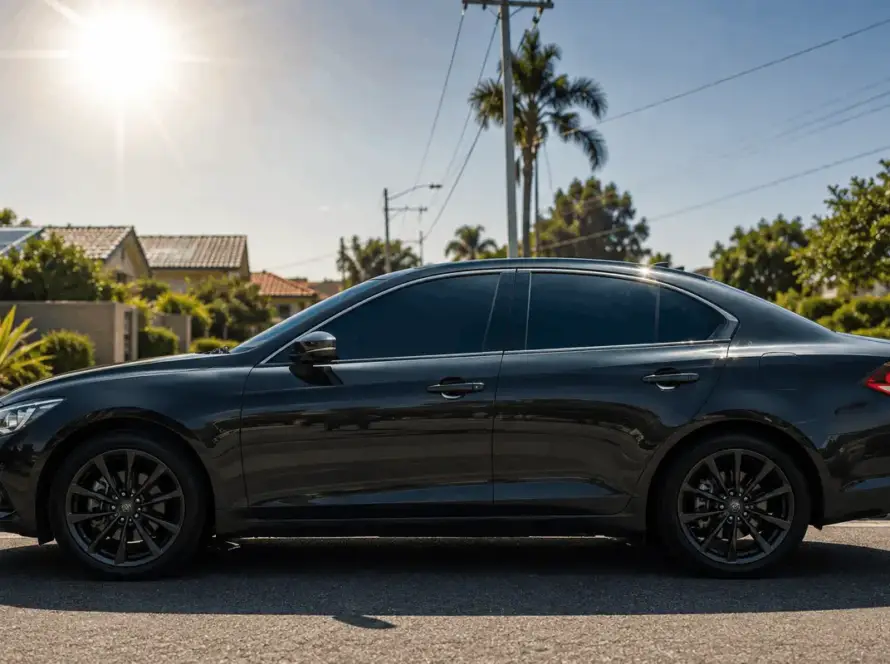
A good window tint should look smooth, clean, and almost invisible when viewed from inside the vehicle. So when bubbles, wrinkles, or peeling edges suddenly appear, it is easy to wonder what went wrong. The problem can come from poor installation, ageing film, excessive heat, contaminated glass,s or the wrong cleaning methods. In Australia, intense sunlight and heat can put additional stress on automotive tint over time. Understanding why window tint deteriorates can help you choose the right solution. Seven Star Window helps Australian drivers explore automotive window tinting options for a cleaner look and a more comfortable driving experience.
Window Tint: Why Is It Bubbling or Peeling?
When your window tint starts bubbling or peeling, it usually means the film or its adhesive is no longer bonding properly to the glass. Several factors can cause this problem, especially with older tint or poor installation. Common reasons include:
- Poor installation: Air, moisture, or dirt may have been trapped beneath the film.
- Ageing adhesive: Over time, the adhesive can weaken and cause the tint to lift.
- Heat and sunlight: Constant exposure to strong Australian heat can accelerate film deterioration.
- Low-quality film: Inferior materials may fade, bubble, or peel sooner.
- Incorrect cleaning: Harsh chemicals or abrasive tools can damage the film.
Identifying the cause early can help prevent further deterioration.
2. The Tint Film Is Getting Old
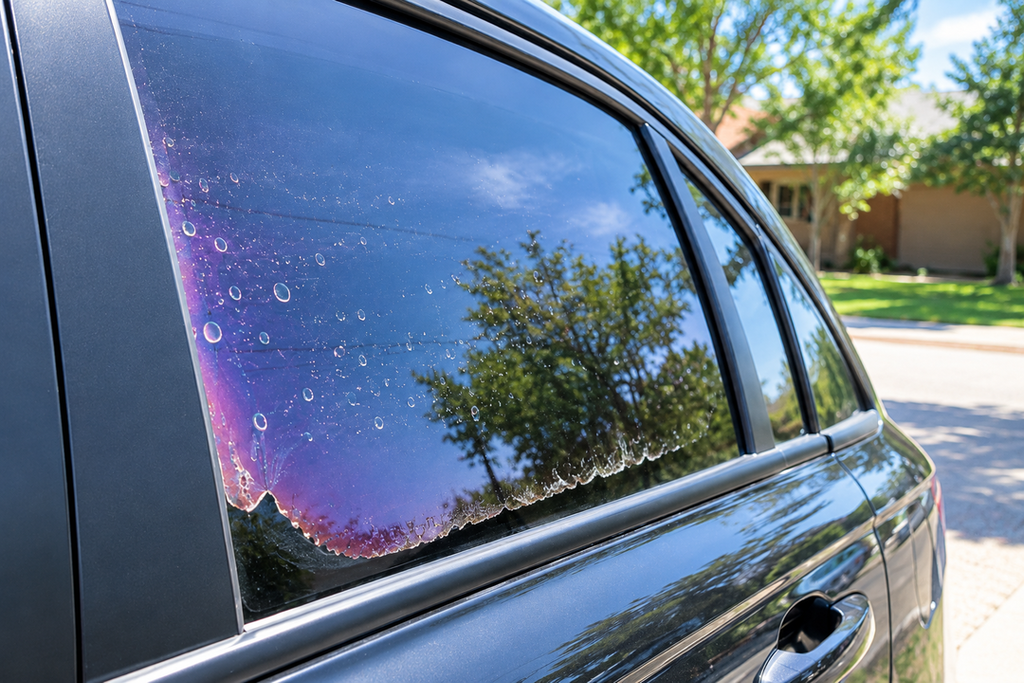
Window tint does not last forever. As automotive film ages, its adhesive and protective layers can gradually deteriorate.
Older dyed films are particularly prone to fading, turning purple or losing their original appearance. Once the adhesive begins breaking down, the film can separate from the glass and create bubbles.
Age alone is not always the problem. The quality of the film, installation, vehicle use, and exposure to sunlight all influence how it performs over time.
3. Extreme Heat and Sun Exposure
Australian vehicles regularly experience strong sunlight and high cabin temperatures. Repeated heating and cooling cycles can place stress on window film and its adhesive.
The glass itself expands and contracts with temperature changes. Over many cycles, weakened adhesive may begin losing its grip.
This is more noticeable when a vehicle spends long periods parked outdoors without shade.
Does heat automatically damage tint?
Not necessarily. Quality automotive films are designed to handle normal vehicle conditions. Problems are more likely when heat combines with ageing film, poor installation, or deteriorating adhesive.
4. Poor-Quality Tint or Adhesive
Not every window tint product is made to the same standard.
Low-quality film may have inferior adhesive, weaker construction,n or less resistance to prolonged UV exposure. It may look acceptable when first installed but develop problems earlier than a properly selected automotive film.
Before replacing the damaged tint, ask the installer about the film’s construction, intended automotive use, and warranty rather than choosing purely on appearance.
5. Incorrect Cleaning Products or Techniques
Your cleaning routine can also affect window tint.
Proper care helps keep your car’s window film clean and in good condition. Discover how window tinting improves privacy and helps limit visibility into your vehicle while maintaining a sleek appearance.
Safer cleaning habits
For tinted windows:
- Use a soft, clean microfibre cloth.
- Choose a cleaner suitable for automotive window film.
- Avoid abrasive pads or blades.
- Do not aggressively scrub lifting edges.
- Follow the film manufacturer’s cleaning recommendations.
If an edge has already started peeling, repeated rubbing can make the damage worse.
6. The Film Was Damaged by Mechanical Contact
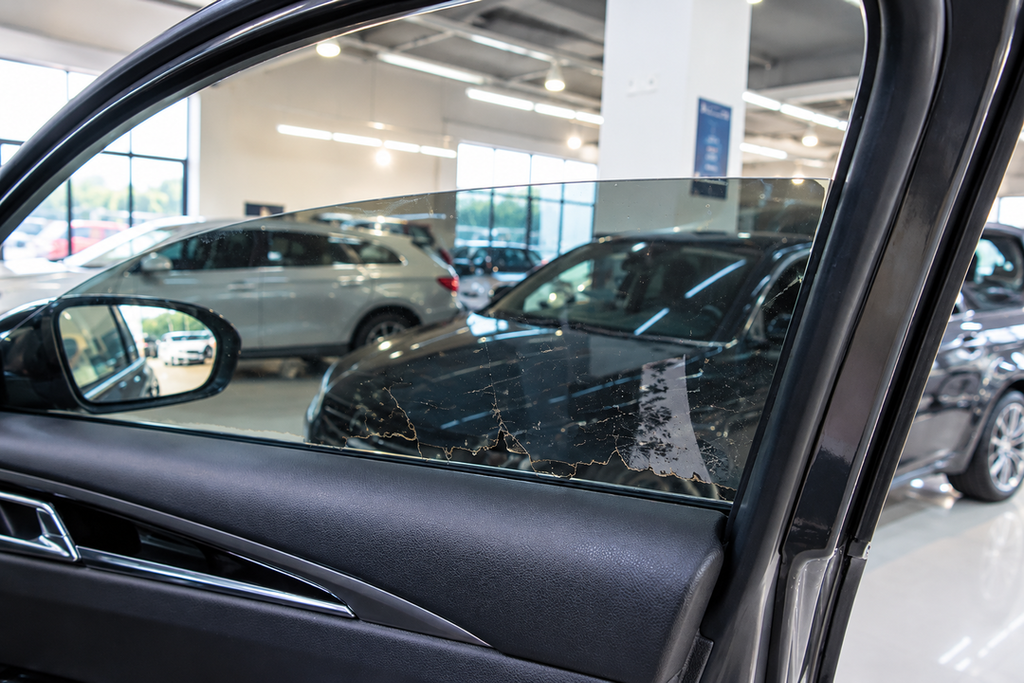
Window tint sits on the inside of the glass, where it can be exposed to regular contact.
For example, window seals, loose objects, poorly adjusted accessories, or repeated contact during cleaning can scratch or lift the film.
The lower section of a door window can be particularly vulnerable because it moves past seals every time the glass is raised or lowered.
If peeling is concentrated along one section rather than spread across the entire window, mechanical damage may be worth investigating.
7. Moisture, Dirt or Contamination Under the Film
Proper glass preparation is essential for a smooth, long-lasting finish. Professional window tinting helps ensure the film is applied carefully, reducing the risk of defects caused by poor installation.
This is why professional window tinting involves much more than simply placing film on the glass. Surface preparation is a critical part of the process.
Bubbling vs Peeling: What’s the Difference?
Bubbling and peeling are not the only issues that can affect automotive film. Learning about common window tint problems can help you recognise early warning signs and understand when professional assessment may be necessary.
| Problem | What You May See | Likely Cause | Typical Solution |
| Bubbling | Air or moisture pockets | Adhesive failure, contamination, or installation issue | Assessment and possible replacement |
| Peeling | Film lifting from glass | Weakening adhesive or mechanical damage | Repair may be limited; replacement often needed |
| Wrinkling | Folded or distorted film | Poor application or ageing | Professional assessment |
| Discolouration | Purple, faded or cloudy appearance | Film degradation | Film replacement |
A professional can inspect the affected glass and determine whether the issue is localised or affecting the entire installation.
Should You Repair or Replace Bubbling Window Tint?
In many cases, damaged tint cannot simply be “fixed” by pushing the bubbles flat.
| Situation | Repair Possible? | Replacement Recommended? |
| Small temporary moisture after installation | Sometimes | Usually no |
| One minor damaged edge | Depends on damage | Possibly |
| Extensive bubbling | Rarely | Usually |
| Severe peeling | Limited | Usually |
| Faded or discoloured film | No practical surface fix | Yes |
| Widespread adhesive failure | Unlikely | Yes |
Trying to puncture bubbles or lift the film yourself can leave adhesive residue or create additional damage.
If the film has significantly deteriorated, professional removal followed by a new installation is generally the cleaner approach.
Expert Tips for Preventing Window Tint Problems
A few simple habits can help your tint remain in better condition:
- Choose a reputable installer. Proper glass preparation and careful application matter as much as the film itself.
- Use automotive-grade film. Ask what product is being installed and whether it comes with a manufacturer’s warranty.
- Clean gently. Use appropriate products and soft microfibre cloths.
- Inspect peeling early. Small lifting areas can become larger if repeatedly rubbed or caught.
- Avoid DIY removal when possible. Old adhesive can be difficult to remove, particularly from large or curved windows.
- Check the film after installation. Follow the installer’s care instructions during the initial curing period.
Common Mistakes Car Owners Make
Some reactions can make a tint problem worse.
- Popping bubbles with a sharp object: This can puncture the film and leave permanent marks.
- Pulling off peeling sections: It may remove more film than intended and leave adhesive behind.
- Using harsh cleaners: Strong or abrasive products may damage the film.
- Ignoring small defects: Peeling can spread along an already weakened section.
- Replacing film without finding the cause: If the underlying installation or glass-preparation issue remains, the replacement may develop similar problems.
Conclusion
Bubbling or peeling window tint is usually a sign that something has affected the film, its adhesive, or the original installation. Poor preparation, ageing, heat exposure, inferior materials, incorrect cleaning, and mechanical damage are among the main causes. Don’t assume every bubble can be pushed out or repaired. If the film is badly deteriorated, professional removal and replacement may provide a much cleaner result. For Australian drivers, choosing quality film and an experienced window tinting installer can also make a significant difference to long-term performance. If you notice bubbling, peeling, fading, or distorted visibility, have the tint assessed early rather than letting a small defect become a bigger problem. than letting a small defect become a bigger problem.
Frequently Asked Questions
Bubbling can result from poor installation, trapped moisture, contamination, ageing adhesive, heat exposure, or deterioration of the window film.
Minor issues may sometimes be assessed or corrected, but widespread bubbling usually indicates adhesive or film failure and may require replacement.
Peeling can occur when adhesive deteriorates, the film was poorly installed, or repeated contact with window seals or cleaning tools damages the edge.
Use suitable cleaning products, avoid abrasive tools, choose quality film, and have damaged or lifting tint inspected before the problem spreads.