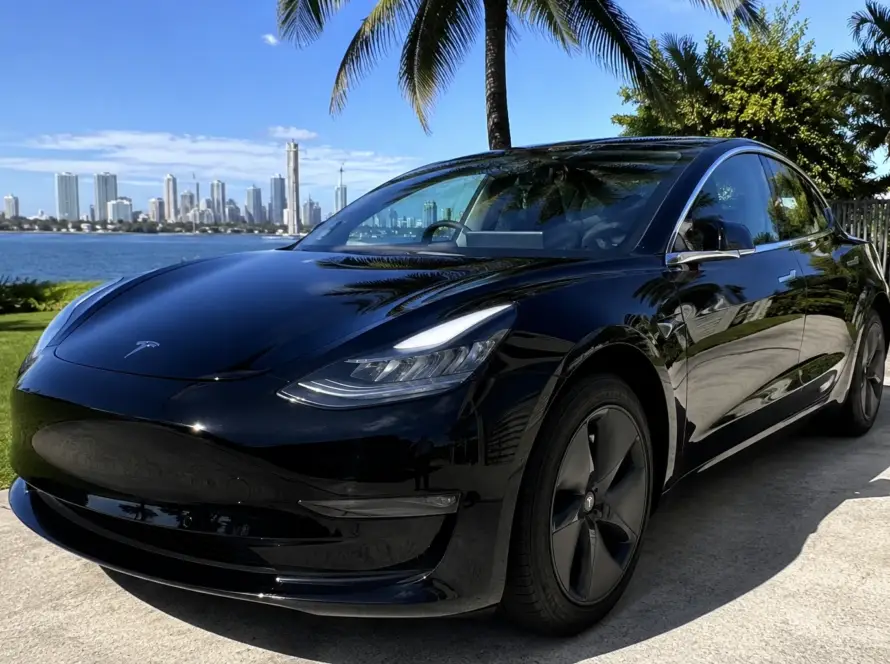
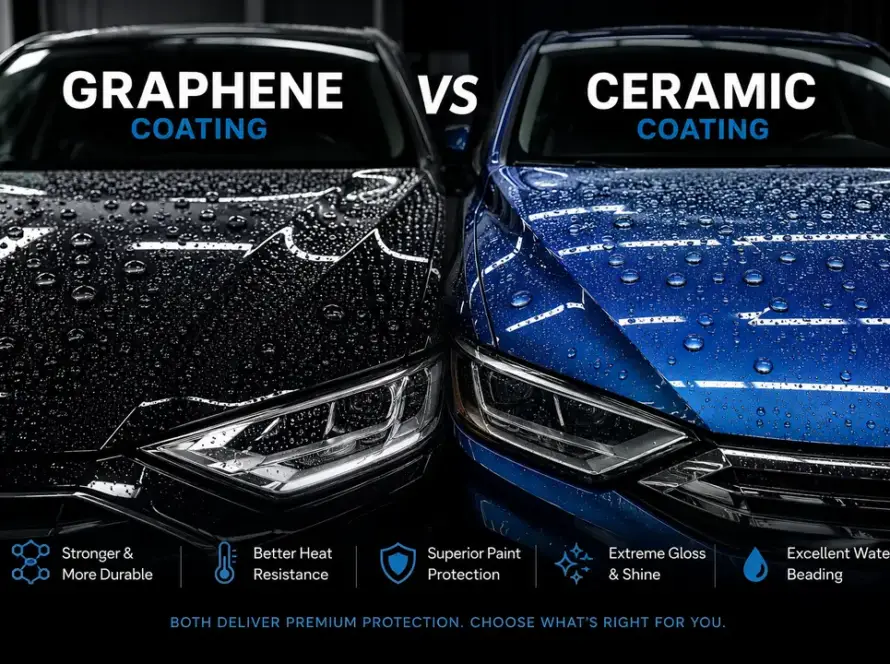
When it comes to protecting your car’s original paint, two popular options are graphene coating and paint protection film (PPF). Both protect your vehicle differently.
PPF is better for stone chips, road debris and physical impacts, while graphene coating is better for gloss, hydrophobicity, easier maintenance and environmental protection. For maximum protection, some vehicles can benefit from combining PPF on high-impact areas with a compatible coating.
For Sydney drivers, the best choice depends on driving habits, parking conditions and exposure to road debris.
What Is Graphene Coating?
Graphene coating is a modern car paint protection coating generally based on ceramic coating chemistry and incorporating graphene or graphene-related materials into its formulation.
Once professionally applied and cured, it forms a protective layer over the vehicle’s paint. Its highly hydrophobic surface helps water and contaminants bead up and move away from the paint more easily.
A quality graphene coating can provide:
- Enhanced gloss and depth
- Hydrophobic protection
- Easier vehicle washing
- Protection against environmental contaminants
- Resistance to UV-related paint degradation
- Improved resistance to chemical contamination
- A smoother, cleaner-looking finish
However, graphene coating is not a replacement for physical protection. While it can improve resistance to everyday contamination and minor surface wear, it is not designed to stop serious stone chips or deep scratches.
What Is Paint Protection Film (PPF)?

Paint Protection Film, commonly known as PPF, is a transparent or coloured polyurethane film installed over painted vehicle panels.
Unlike a coating, PPF creates a physical barrier between the paint and the outside environment, making it particularly useful for areas exposed to frequent road impact, including:
- Front bumpers
- Bonnet
- Front guards
- Side mirrors
- Door edges
- Rocker panels
- Other high-impact areas
One of the main reasons car owners choose PPF is its ability to help protect against stone chips and road debris.
If you regularly drive on motorways or roads where loose stones and debris are common, PPF can provide a level of physical protection that a liquid coating cannot. Explore our automotive protection services to find the right solution for your vehicle.
Graphene Coating vs PPF: The Key Difference
The simplest way to understand the difference is:
Graphene coating protects the surface. PPF physically shields the paint.
Graphene coating bonds to the paint as a thin protective layer, with its key strengths being gloss, hydrophobic performance, surface protection and easier maintenance.
PPF, on the other hand, provides a physical film that helps absorb the impact before it reaches the factory paint.
Neither option is universally better. They are designed to address different types of protection.
Graphene Coating vs PPF Comparison
| Feature | Graphene Coating | PPF |
| Paint protection | Excellent surface protection | Excellent physical protection |
| Stone-chip protection | Limited | Excellent |
| Hydrophobic performance | Excellent | Good to excellent depending on film |
| Gloss enhancement | Excellent | Very good |
| Easier cleaning | Yes | Yes |
| UV protection | Yes | Yes |
| Protection from road debris | Limited | Excellent |
| Protection from minor scratches | Limited | Better |
| Scratch resistance | Good surface resistance | Strong physical barrier |
| Appearance | Enhances paint gloss | Clear, factory-like appearance |
| Coverage | Can cover the entire vehicle | Usually applied to selected panels or full vehicle |
| Maintenance | Relatively easy | Requires proper film care |
| Best for | Gloss, hydrophobicity and everyday surface protection | Impact and stone-chip protection |
Which Is Better for Stone Chips?
Graphene coating is not thick enough to absorb significant impact from stones travelling at road speed. It can help with environmental contamination and minor wear, but it should not be considered a solution for serious stone-chip damage.
PPF is specifically designed to create a physical barrier between the paint and road debris. This is particularly valuable on the bonnet and front bumper, where repeated impacts can occur during highway driving.
Which Is Better for Scratches?
It depends on the type of scratch.
A graphene coating can improve resistance against minor surface contamination and some light washing-related wear, but it will not make your vehicle scratch-proof.
PPF provides a thicker physical barrier and is better suited to protecting against many forms of light physical abrasion.
For owners concerned about paint scratches, stone chips and road debris, PPF generally provides more substantial physical protection.
Which Gives Better Gloss?
This is where graphene coating has a clear advantage.
One reason car enthusiasts choose a graphene or ceramic coating is the visual finish. A professionally prepared and coated vehicle can have a deep, glossy appearance that makes the paint look cleaner and more refined.
PPF can also deliver a high-quality finish, particularly when professionally installed, but its primary purpose is physical protection rather than enhancing the paint through a coating layer.
Gloss + hydrophobic performance + easier cleaning → Graphene coating
Impact protection + stone-chip resistance → PPF
Which Is Better for UV and Environmental Protection?
Both solutions can help protect a vehicle from environmental exposure, but they do so differently.
A professional graphene coating creates a protective surface that helps reduce the effects of contaminants and UV exposure on the underlying paint. PPF provides a physical barrier between the paint and the surrounding environment.
For Sydney vehicle owners, this can be particularly relevant because vehicles are exposed to sunlight, heat, dust, rain and road contaminants.
Which Is Easier to Maintain?
Both graphene coating and PPF can make vehicle maintenance easier when professionally installed and properly cared for.
Graphene coating creates a highly hydrophobic surface, helping water and dirt remain less strongly attached to the paint. This can make routine washing easier.
However, a coated vehicle still requires regular maintenance and suitable car-care products. PPF can also make protected panels easier to clean, but the film requires appropriate washing techniques and care.
Neither graphene coating nor PPF means you never have to wash your car.
Professional installation and correct aftercare are essential for maintaining long-term performance.
Graphene Coating or PPF: Which Is Better for a Daily Driver?
For a typical daily driver, the better option depends on how the vehicle is used.
If your priorities include:
- A glossy appearance
- Easier washing
- Hydrophobic protection
- Protection from environmental contaminants
- Long-term paint care
then graphene coating can be an excellent choice.
If you frequently drive on motorways, gravel roads or areas where road debris is a concern, PPF may provide greater practical protection, particularly on high-impact areas.
Is Graphene Coating Better Than PPF?
Not necessarily. Graphene coating and PPF are different types of paint protection.
Graphene coating is particularly strong for surface protection, gloss, hydrophobicity and easier maintenance. PPF is stronger when the main concern is physical impact, stone chips and road debris.
Rather than asking which product is universally better, ask:
What type of protection does my car actually need?
That will help you choose the more suitable solution.
Can You Have Graphene Coating and PPF Together?
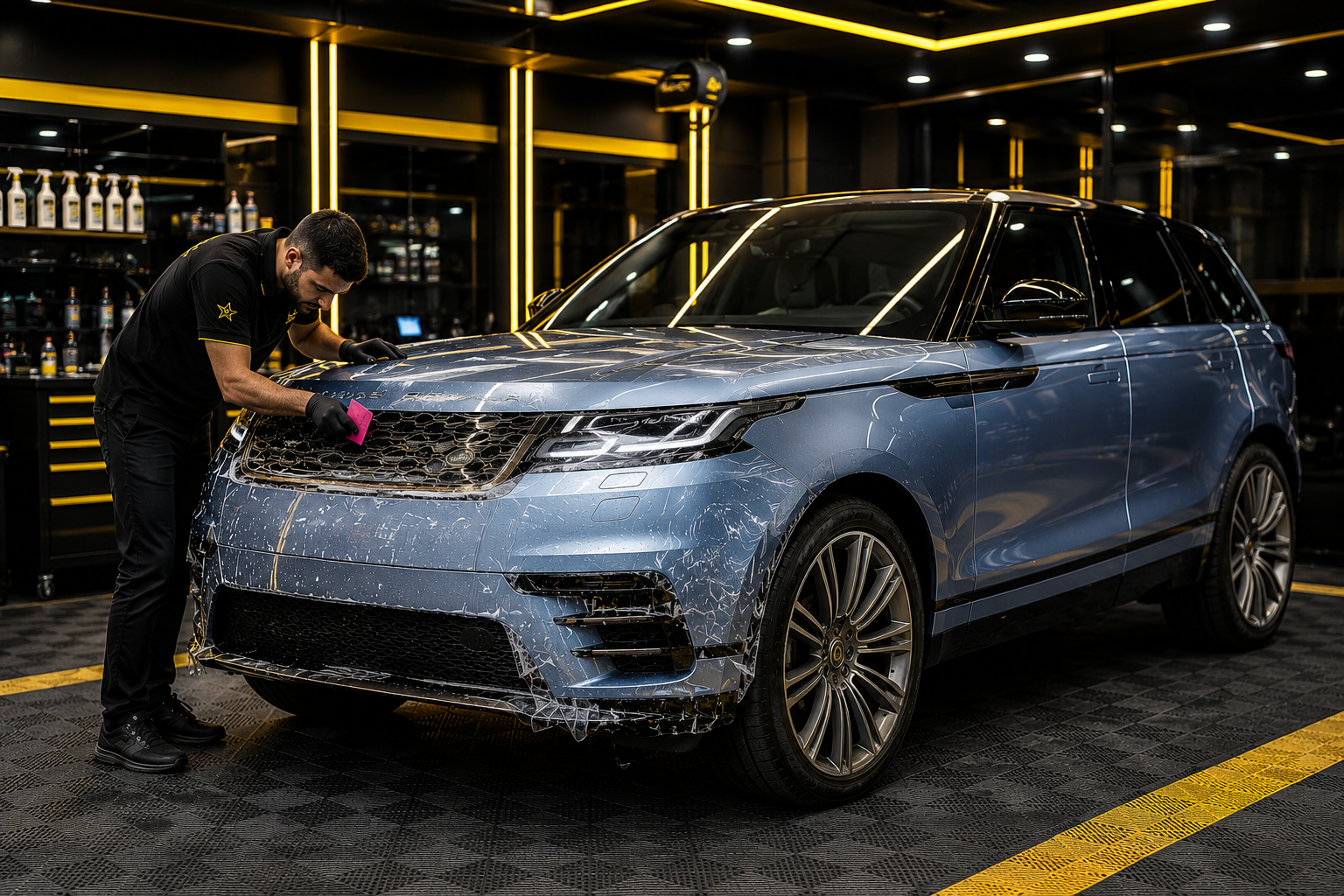
Yes. Combining the two can provide a comprehensive paint protection strategy when the products and installation process are appropriate.
For example, PPF can be used on high-impact areas such as the front bumper, bonnet and mirrors, while a compatible coating can be applied over the remaining paint and, where suitable, the film surface.
This combines two forms of protection:
PPF: physical impact protection
Graphene coating: surface protection, hydrophobicity, gloss and easier maintenance
The exact combination should be discussed with a professional installer because product compatibility and preparation requirements can vary.
Which One Should You Choose?
Choose Graphene Coating If You Want To:
- Improve your vehicle’s gloss
- Make washing easier
- Add hydrophobic protection
- Protect against environmental contaminants
- Maintain a clean, glossy appearance
- Add a long-term surface protection layer
Choose PPF If You Want To:
- Protect against stone chips
- Reduce damage from road debris
- Protect high-impact areas
- Add a physical barrier over the paint
- Preserve vulnerable areas of a newer or valuable vehicle
Consider Combining Both If:
You want comprehensive vehicle paint protection and are prepared to invest in both surface and physical protection. This can be especially attractive for new, luxury, performance or enthusiast vehicles where preserving the original paint is a priority.
What About Cost?
The total cost depends on the vehicle, paint condition, coverage area, preparation requirements, product selected and installation quality.
PPF can cost more when extensive coverage is required because it involves specialised film, precise panel installation and significant labour. Graphene coating can also require a substantial investment when professional paint preparation and correction are needed.
Rather than choosing purely on the lowest upfront price, consider the long-term value of protecting your vehicle’s original paint.
Why Professional Installation Matters
The product is only part of the result. Paint preparation, surface correction, installation technique, curing conditions and aftercare can all affect the final appearance and performance of a paint protection system.
At Seven Star Window, vehicle protection is part of a broader automotive care offering in Sydney, including ceramic and graphene coating, paint correction, car wrapping, window tinting and other vehicle-care services.
Graphene Coating vs PPF: The Final Verdict
So, which offers better protection: graphene coating or PPF?
There is no single answer for every vehicle.
PPF is the better choice for physical protection against stone chips, road debris and many forms of light impact.
Graphene coating is the better choice for surface protection, gloss, hydrophobic performance, easier maintenance and protection against environmental contaminants.
For many car owners, combining both can provide a more complete approach to paint protection. Consider your driving environment, parking conditions, maintenance habits and the areas of your vehicle most exposed to damage before making your decision.
Frequently Asked Questions
PPF is generally better for physical protection against stone chips, road debris and light impacts. Graphene coating is better suited to surface protection, hydrophobicity, gloss and easier maintenance.
No. Graphene coating is not designed to absorb significant impact from stones. If stone-chip protection is your priority, PPF is the more suitable solution.
PPF can provide a physical barrier that helps protect underlying paint from many light scratches and abrasions. However, no paint protection product should be considered completely damage-proof.
No. Graphene coating can improve surface resistance and help with everyday maintenance, but it does not make factory paint scratch-proof.