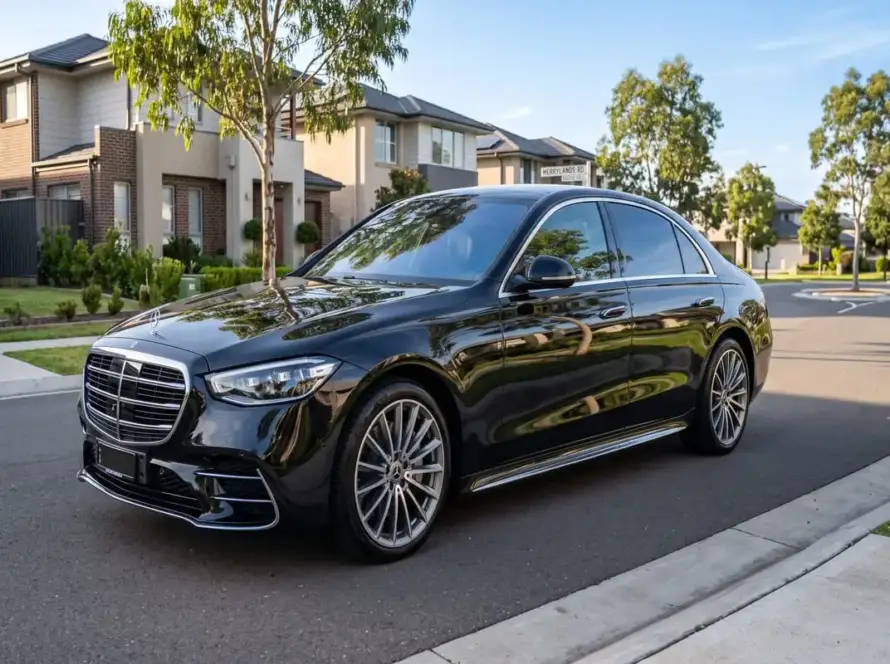
Most car owners think of ceramic coating as a nice-to-have: something for people who want their car looking showroom-fresh at car meets. What rarely gets talked about is the flip side: what actually happens to your paint if you skip it altogether.
The short answer is that your paint doesn’t just “stay normal.” It starts losing its protective qualities from the day it leaves the factory, and without a barrier like ceramic coating, that process speeds up dramatically, especially in a climate like Sydney’s, with harsh UV exposure, long dry spells, and sudden heavy rain.
Here’s exactly what happens to unprotected paint over time, and why the cost of “doing nothing” is often higher than people expect.
1. UV Rays Slowly Break Down Your Clear Coat
Every car has a clear coat layer sitting on top of the paint, and its job is to protect the colour coat underneath from sunlight. Without a ceramic coating adding an extra UV-resistant barrier, that clear coat takes the full brunt of daily sun exposure.
Over months and years, UV rays cause the clear coat to oxidise; the paint gradually loses its gloss, starts looking dull or chalky, and in worse cases, begins to develop a hazy or “sun-baked” appearance that no amount of washing will fix. Once oxidation sets in, it typically requires professional paint correction (machine polishing) to reverse something completely avoidable with a protective coating in the first place.
2. Bird Droppings and Tree Sap Cause Real Damage, Not Just Stains
Bird droppings aren’t just unsightly; they’re mildly acidic and can actually etch into unprotected clear coat if left for even a day or two, especially in hot weather when the acidity is “baked” into the paint by sun exposure. Tree sap behaves similarly, bonding to the surface and becoming increasingly difficult to remove the longer it sits.
On a ceramic-coated car, most of these contaminants sit on top of the hydrophobic layer and rinse off easily. On unprotected paint, they can leave permanent etch marks that show up as dull spots even after the residue is cleaned off.

3. Water Spots Become a Constant, Compounding Problem
Sydney’s mineral-rich tap water leaves spots when it evaporates on paint; that’s true whether your car is coated or not. The difference is what happens next.
On unprotected paint, water sits and beads unevenly, drying into visible mineral deposits that etch faintly into the clear coat over repeated exposure. On a ceramic-coated car, water beads up tightly and rolls off almost immediately, taking dirt and grime with it, which drastically reduces how much water spotting actually occurs in the first place.
Left unaddressed for years, accumulated water spotting is one of the more common reasons a car’s paint looks “tired” even when it’s never been in an accident or scraped.
4. Washing Itself Starts Damaging Your Paint
This one surprises most people: regularly washing an uncoated car, even carefully, gradually introduces fine swirl marks and micro-scratches into the clear coat. Every wipe with a cloth or brush drags whatever dirt and grit is on the surface across the paint.
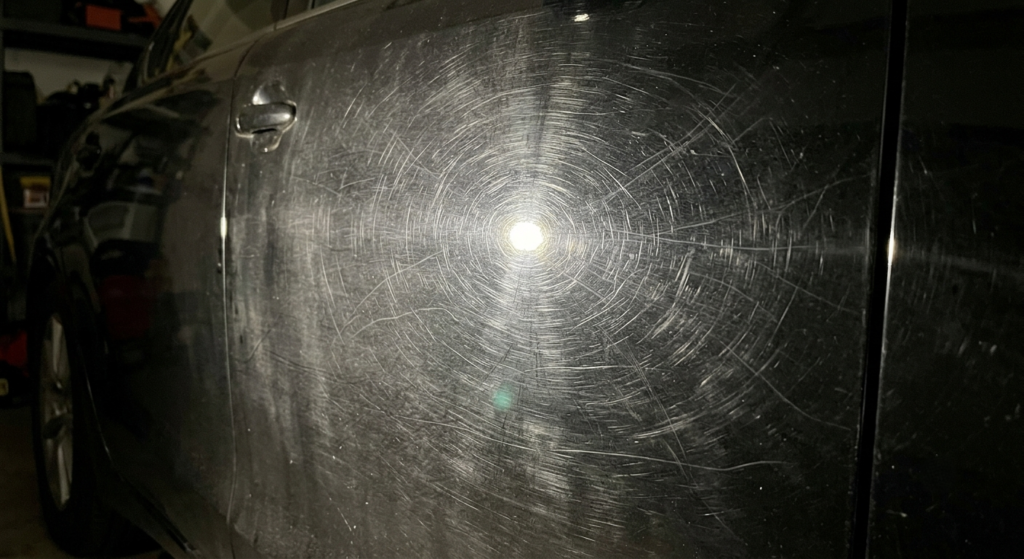
A ceramic coating doesn’t make your car “scratch-proof,” but its slick, hydrophobic surface means dirt and grit have far less grip on the paint during washing, significantly reducing how many swirl marks accumulate over time. Without that layer, the swirl marks build up wash after wash, and under direct sunlight, they become very noticeable, giving even a well-maintained car a dull, spider-webbed look.
5. Road Grime and Contaminants Bond Directly to Your Paint
Brake dust, road tar, industrial fallout, and general grime don’t just sit loosely on unprotected paint over time; they can bond to the clear coat itself, becoming embedded rather than just surface-level dirt. This is why older, uncoated cars often need clay bar treatment or decontamination washes to restore smoothness, while ceramic-coated cars rarely need this step at all.
Left unaddressed for long enough, embedded contaminants can also trap moisture against the clear coat, which increases the risk of early oxidation in those specific spots.
6. Your Car Requires More Time, Effort, and Product to Maintain
Without a protective coating, keeping your car looking clean requires more frequent washing, more product (wax or sealant reapplied every few weeks since it wears off quickly), and more careful technique to avoid introducing scratches. It adds up to real time and ongoing cost, ironically, often more than a one-time ceramic coating investment would have cost over the same multi-year period.
Ceramic coating shifts that equation: washing becomes faster and easier since dirt doesn’t bond as readily, and there’s no need for regular wax top-ups.
7. Resale Value Takes a Hit
When it’s time to sell or trade in, paint condition is one of the first things buyers and dealers assess, and it’s very easy to spot the difference between a car with deep, even gloss and one with dull, swirl-heavy, oxidised paint. Cars with visibly deteriorated paint typically get lower offers, or require paint correction just to present well for sale, cutting into any savings from skipping protection in the first place.
A ceramic-coated car, by contrast, tends to retain that “fresh” look for years, which matters a lot when it comes time to negotiate resale value.
So What’s the Real Cost of Skipping Ceramic Coating?
None of this damage happens overnight; that’s exactly why it’s easy to underestimate. Paint degradation from UV exposure, contaminants, and improper washing builds up slowly, so by the time it’s obviously noticeable, you’re usually looking at professional paint correction rather than a simple detail a far more expensive fix than the coating would have cost upfront.
How Ceramic Coating Prevents All of This
A properly applied ceramic coating creates a hard, semi-permanent bonded layer on top of your clear coat. It doesn’t just add shine; it actively:
- Blocks a significant portion of UV exposure hitting the clear coat directly
- Prevents bird droppings, sap, and contaminants from bonding to the paint
- Reduces water spotting through strong hydrophobic beading
- Minimises swirl marks by reducing friction during washing
- Makes maintenance faster, since dirt rinses off rather than needing to be scrubbed
For drivers who want the next level of protection and hydrophobic performance, graphene coating is also worth considering as a premium upgrade over standard ceramic coating.
Protect Your Investment with Seven Star Window
At Seven Star Window, we help car owners across Rouse Hill, Kellyville, Blacktown, Quakers Hill, and the wider Hills District avoid exactly this kind of long-term paint damage. Our ceramic coating service includes proper paint preparation, professional-grade coating application, and a 7 to 10-year guarantee — so your paint stays protected for years, not months.
Pricing starts from:
- Small/Sedan – from $950
- UTEs & SUVs – from $1,199
- Ceramic Coating + Tint bundle – from $1,350
If your car hasn’t been protected yet, the earlier you coat it, the less existing damage there is to correct first.
Conclusion
Skipping ceramic coating doesn’t mean nothing happens to your paint; it means the damage happens quietly in the background until it’s obvious enough that fixing it costs far more than protecting it ever would have. UV fading, bird-dropping etching, water spots, wash-induced swirl marks, and embedded road grime all add up over time, and each one chips away at how your car looks and what it’s worth at resale.
The good news is that this is one of the easiest problems to prevent. A single professional ceramic coating application, backed by a long-term guarantee, removes almost all of these risks in one step and saves you the time, money, and hassle of constant maintenance or eventual paint correction.
If your car is still unprotected, now is the best time to change that, before any more damage sets in. Seven Star Window is here to help drivers across Rouse Hill, Kellyville, Blacktown, Quakers Hill, and the Hills District keep their paint looking new for years to come.
Frequently Asked Questions
It varies by climate and how the car is stored, but visible oxidation, water spotting, and swirl marks typically become noticeable within 1–3 years of regular use without any protective coating.
No, ceramic coating protects paint going forward, but it doesn’t repair existing swirl marks or oxidation. That’s why paint correction is usually recommended first if your car already shows visible damage.
Yes, UV exposure and environmental contaminants affect parked cars too, so even low-mileage vehicles benefit from the protective barrier ceramic coating provides.