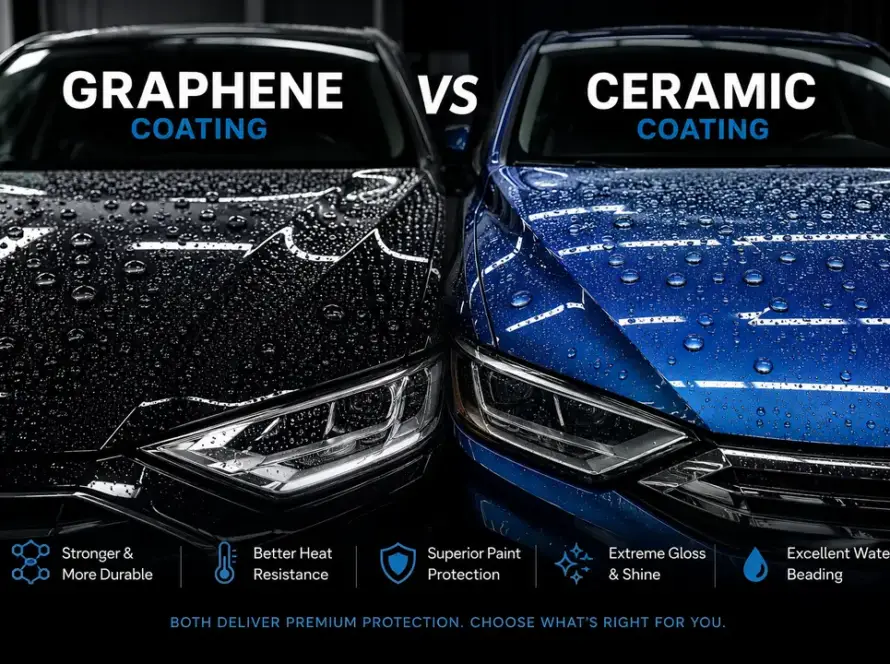
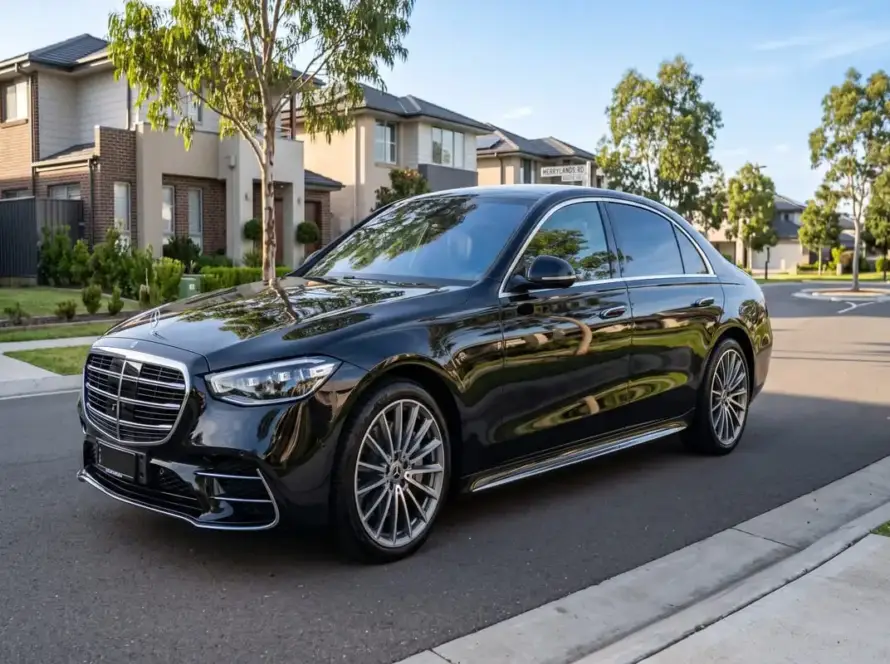
Ceramic coating is applied by washing and decontaminating the paint, correcting imperfections, wiping the surface with isopropyl alcohol (IPA), then applying a liquid ceramic car coating in thin, even layers that chemically bond to the vehicle’s clear coat as they cure.
At Seven Star Window Tinting & Car Care, we’ve found that ceramic coating failures are rarely caused by the coating itself. Poor surface prep, rushed application, or incorrect curing are almost always the real culprits which is why professional detailers spend far more time preparing paint than applying coating.
This guide walks through the full process, the equipment involved, common mistakes, expected costs, and how to decide between DIY and professional installation.
What Is Ceramic car Coating?
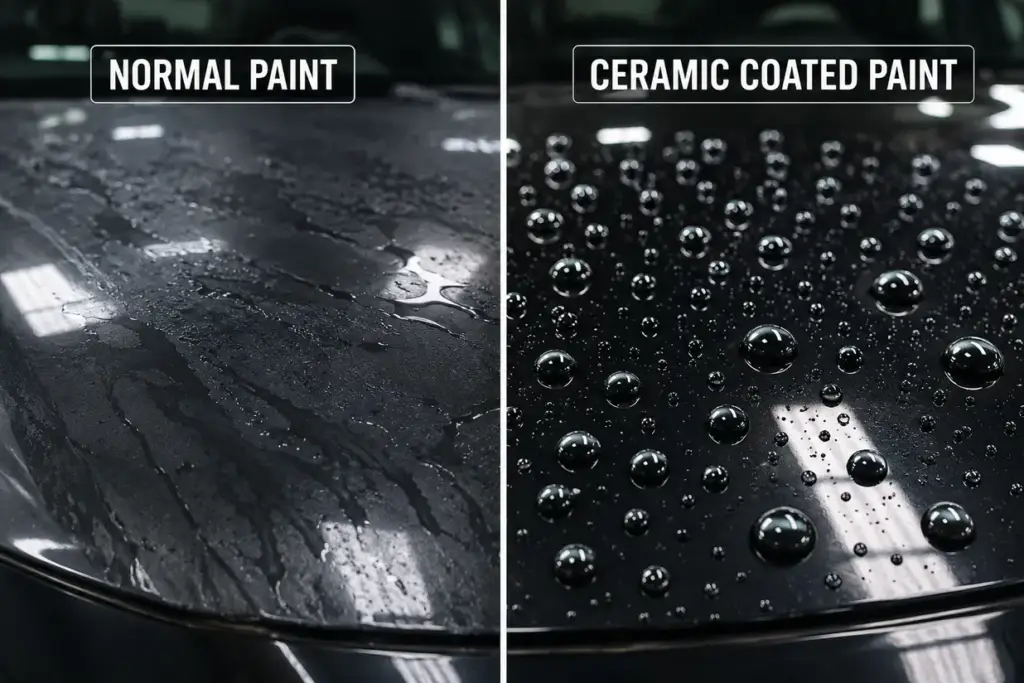
Ceramic coating is a liquid polymer, typically formulated with silicon dioxide (SiO₂), that chemically bonds with your vehicle’s factory clear coat. Once cured, it forms a transparent, glass-like protective layer over the paint.
Professional ceramic coatings for cars typically contain a higher concentration of silicon dioxide (SiO₂) than most consumer DIY products, contributing to stronger bonding, improved durability and better hydrophobic performance.
A properly applied ceramic coating sydney helps:
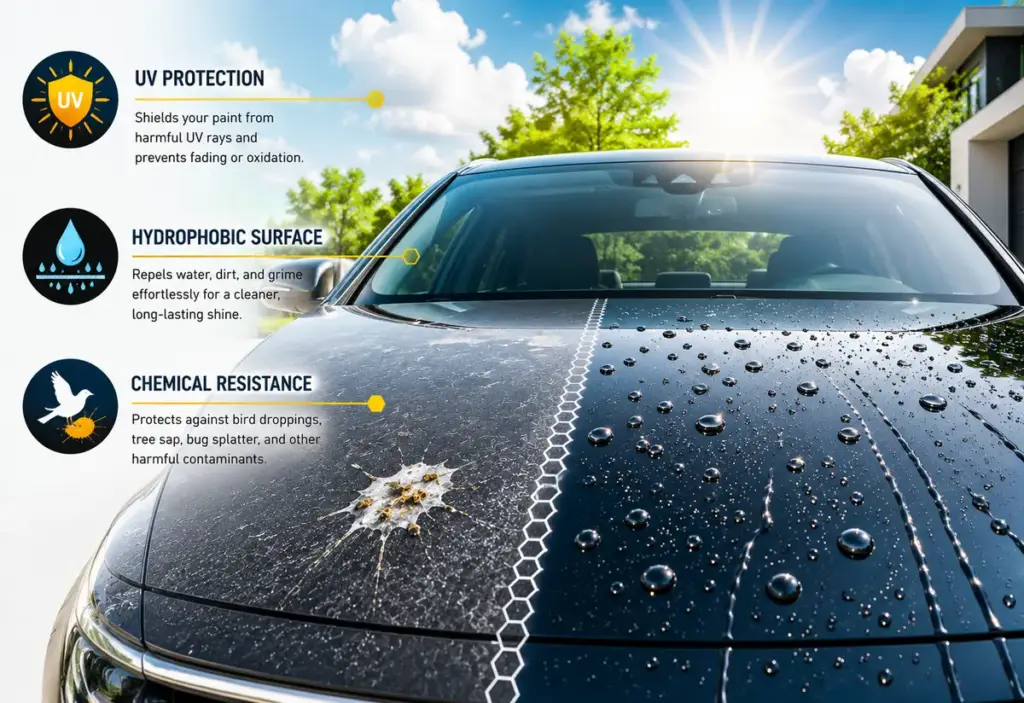
- Protect against UV rays and oxidation
- Resist chemical stains from bird droppings and tree sap
- Improve resistance to light surface scratches
- Repel water, dirt, and road grime
- Make routine washing faster and easier
There is proper guide how it ceramic coating works
A note on 9H hardness: Many coatings advertise a 9H rating, based on the ASTM D3363 pencil hardness test, a real industry-standard measurement.
Ceramic Coating vs. Wax and Paint Sealants
Wax provides shine but typically breaks down within a few weeks. Synthetic sealants last longer usually 2 to 6 months but still just sit on the paint surface.
Ceramic coating is different: it chemically bonds with the clear coat instead of resting on top of it. That bond is what allows professional coatings to protect for 3–7 + years with proper maintenance.
What Ceramic Coating for Cars Actually Does
One of the biggest misconceptions is that ceramic coating creates gloss on its own.
It preserves and enhances the finish that’s already there, by adding an optically clear layer over properly corrected paint.
Think of it like laminating an important document. It doesn’t change what’s underneath, but it protects it while making the surface look cleaner and sharper.
That extreme smoothness also increases the paint’s water contact angle, causing water to bead and roll off rather than spread across the surface. This hydrophobic effect reduces water spotting and keeps the car cleaner between washes.
What You Need Before Applying Ceramic Coating for Cars
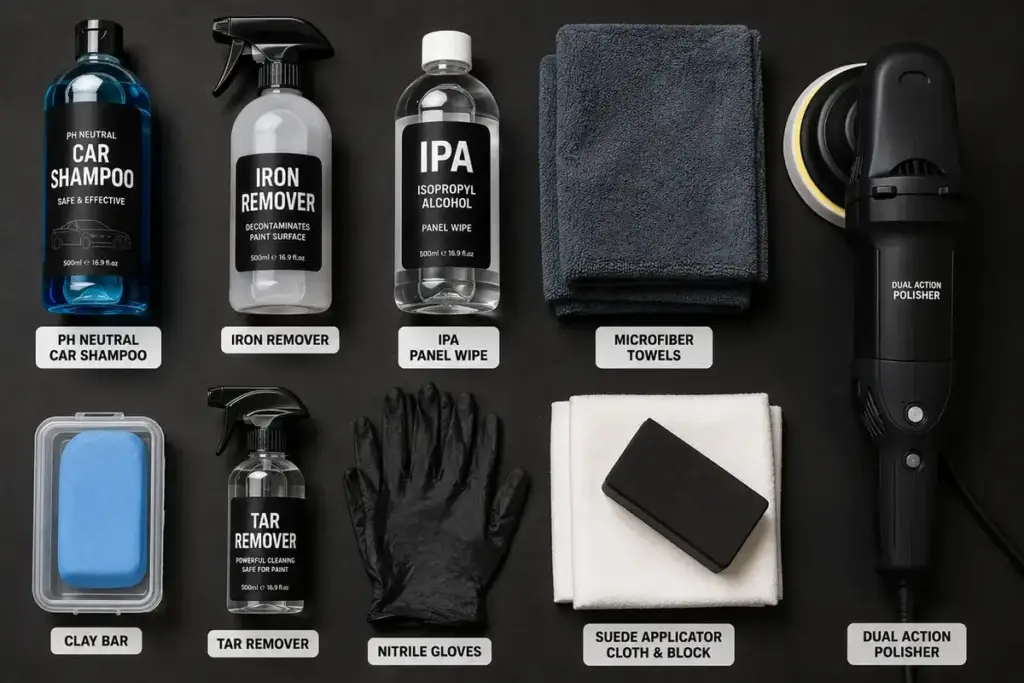
Even the best ceramic coating can’t compensate for poor paint preparation. Here’s what the job requires.
Tools & supplies:
- pH-neutral car shampoo and two-bucket wash system
- Clay bar or clay mitt
- Iron remover and tar remover (as needed)
- Isopropyl alcohol (IPA) panel wipe
- Microfiber towels and suede applicator cloths
- Ceramic coating applicator block
- LED inspection light
- Dual-action polisher (for paint correction)
- Indoor garage or clean, dust-free workspace
Ideal application conditions:
- 15°C–27°C (60°F–80°F)
- Low humidity
- Away from direct sunlight
- A clean, dust-controlled environment
High temperatures cause the coating to flash too quickly, increasing the risk of streaking and uneven curing.
How Ceramic Coating Is Applied: 6 Steps
Step 1: Wash and Decontaminate
Every application starts with a thorough wash using the two-bucket method. Chemical decontamination then removes iron fallout, tar, and brake dust, followed by a clay bar to lift anything still embedded in the paint.
This step matters more than most people expect any contamination left behind gets sealed under the coating permanently. At Seven Star, this is the most common issue we find when correcting a failed DIY application.
Step 2: Paint Correction
Using a dual-action polisher, swirl marks, oxidation, holograms, and minor scratches are removed from the clear coat. This step isn’t optional — ceramic car coating doesn’t hide imperfections, it locks them in permanently. Every vehicle should be inspected first to determine whether it needs single-stage or multi-stage correction.
Step 3: IPA Panel Wipe
Once polishing is done, every panel is wiped with an isopropyl alcohol solution. This removes polishing oils, fillers, and residue that could otherwise prevent the coating from bonding directly to the clear coat. Skip this step, and durability drops significantly.
Step 4: Apply the Ceramic Coating
The coating goes on one small section at a time typically around 2×2 feet — using a microfiber or suede applicator in straight, overlapping passes. Professional installers track temperature and humidity closely throughout, since both affect how quickly the product flashes.
Step 5: Level High Spots
As the coating begins to flash, excess product is removed with a clean microfiber towel — a process called levelling. Wait too long, and you’re left with high spots that need machine polishing to fix. Strong lighting makes these easy to catch before the coating cures.
Step 6: Cure the Coating
The vehicle should stay indoors while the coating cures:
- Touch dry: ~1 hour
- Initial cure: 24–48 hours
- Full cure: 7–14 days
During this window, avoid washing the car or exposing it to rain whenever possible. The coating starts protecting almost immediately, but it reaches full durability only after curing completes.
In practice: for a sedan, expect 4–6 hours total — but only 30–45 minutes of that is the actual coating application. The rest is decontamination, correction, and prep.
At Seven Star Window Tinting & Car Care, most failed ceramic coating jobs we correct weren’t caused by poor products. They were caused by inadequate paint preparation or incorrect curing.
DIY vs. Professional Ceramic Car Coating
| Comparison | DIY | Professional Ceramic Coat |
| Cost | $50–$200 | $500–$1,500+ |
| Typical lifespan | 1–3 years | 3–7 + years |
| Best for | Experienced enthusiasts with polishing tools and an indoor space | New or high-value vehicles, paint with swirl marks/oxidation, or anyone who wants consistent results with less risk |
| Main risk | Streaking, uneven bonding, no controlled curing environment | Higher upfront cost |
DIY can work well if you already have detailing experience, your own polishing equipment, and a clean indoor space to work in. For most other situations, professional installation offers more consistent results — largely because professionals correct the paint properly first and apply the coating in a controlled environment.
Some professional-grade coatings undergo independent third-party testing. Certain formulas, for instance, have been approved for use on aircraft exteriors — a strong signal of chemical resistance, even though most daily drivers won’t need that level of protection.
At Seven Star, every vehicle is inspected before coating to determine exactly how much correction it needs, so you’re not paying for prep work your paint doesn’t require.
How Long Does Application Take?
| Vehicle | Average time |
| Sedan | 4–6 hours |
| SUV | 6–8 hours |
| Paint correction + coating | 1–3 days |
Curing vs. drying, explained simply: “Dry” means the surface isn’t tacky to the touch anymore that happens within about an hour. “Cured” means the coating has fully cross-linked and reached maximum hardness, which is what actually delivers long-term protection. That takes days, not hours.
Common Mistakes During Ceramic Application
- Applying over dirty or wet paint
- Skipping paint correction
- Using excessive product
- Applying in direct sunlight
- Missing high spots before they cure
- Washing the car before curing is complete
Most DIY failures trace back to rushed preparation not a bad coating product.
How to Maintain Ceramic Coating for Cars
First 7 days: Avoid washing the car. Skip rain exposure where possible. Park away from trees and sprinklers.
Long-term:
- Wash with pH-neutral shampoo only
- Avoid automatic brush car washes
- Dry with clean microfiber towels
- Apply a ceramic maintenance spray every few months, if recommended by your coating’s manufacturer
How Long Does Ceramic Coating Last?
| Coating type | Expected lifespan |
| Consumer DIY | 1–3 years |
| Professional | 3–7 + years |
| Professionally maintained | Often longer |
In Sydney’s climate, strong UV exposure, road grime and environmental contaminants make regular maintenance especially important for achieving maximum coating life.
How Much Does Ceramic Coating Cost?
| Option | Estimated cost |
| DIY kit | $50–$200 |
| Professional application | $500–$1,500+ |
Final ceramic coating price depends on vehicle size, paint condition, number of coating layers, correction requirements, and the package you choose.
Frequently Asked Questions
Yes, indirectly. Ceramic coating helps preserve your car’s paint, keeping it in better condition over time. A well-maintained exterior can make the vehicle more appealing to buyers and support a higher resale value.
Yes, with the right tools, preparation, and environment. Professional installation generally delivers longer-lasting protection and more consistent results, though.
Technically, yes. However, it’s not recommended because any existing swirl marks, scratches, or oxidation will remain visible beneath the coating.
Most vehicles get one or two layers. Additional layers offer a slight durability boost, but proper surface prep matters far more than coat count.
No. Heat causes the coating to flash too fast, increasing the risk of streaking and uneven bonding.
Yes. It significantly reduces upkeep, but regular washing and occasional maintenance products help preserve hydrophobic performance and maximize lifespan.
9H refers to a recognized pencil hardness test. Claims of 10H or higher are generally marketing language, not a recognized industry measurement.
Final Thoughts
Applying ceramic coating involves far more than wiping a product onto your paint. Real results come from careful preparation, proper correction, controlled application, and full curing time.
Whether you’re learning DIY or considering a professional service, understanding the full process helps you make a better decision and avoid costly mistakes either way.
Get a Free Ceramic Coating Quote in Rouse Hill, Kellyville & Surrounding Sydney Suburbs
Every vehicle’s paint condition, age, and finish all affect how much correction and coating it actually needs. At Seven Star Window Tinting & Car Care, we inspect your paint first and recommend the right package, not the most expensive one.
Contact Seven Star Window Tinting & Car Care today to book your free inspection and receive a ceramic coating recommendation tailored to your vehicle and budget.